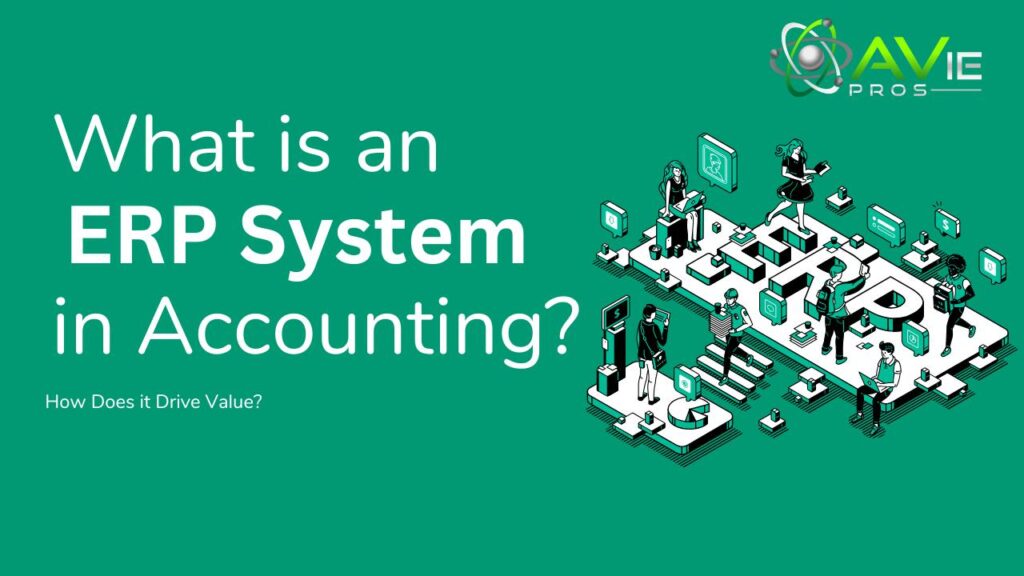
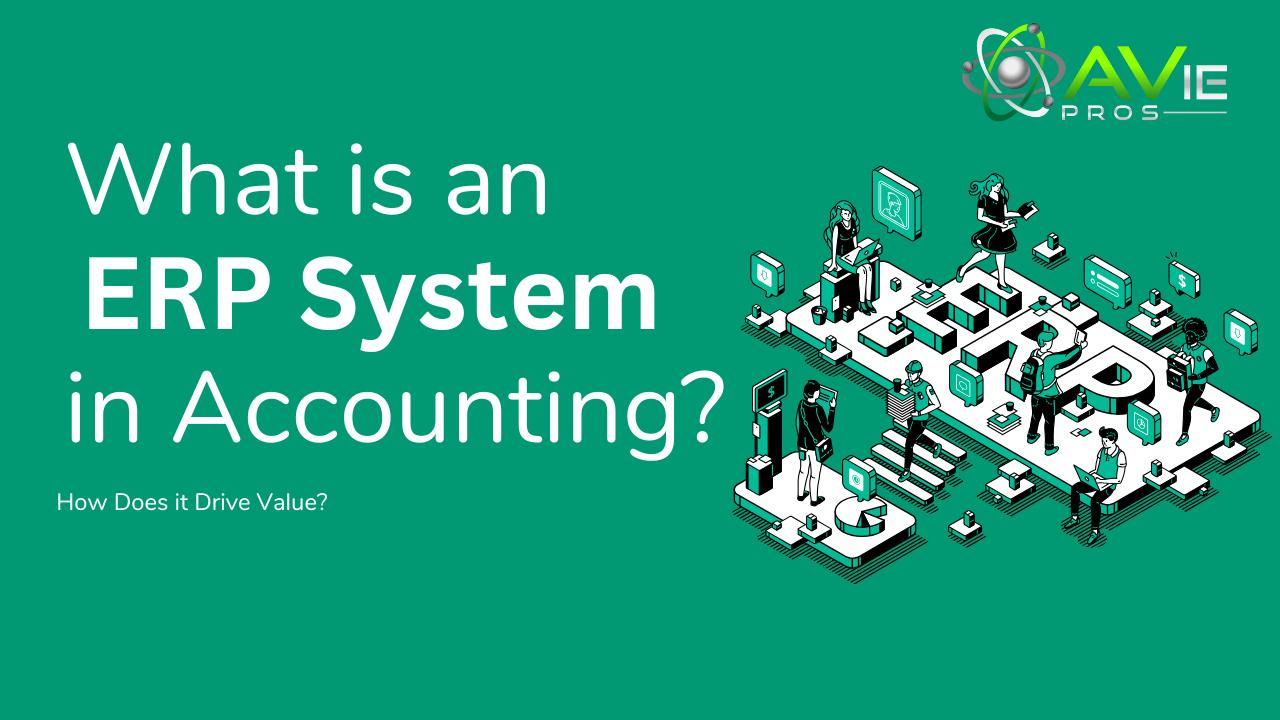
An accounting ERP is a powerful tool that enables the company to handle all of its financial operations in one location. It combines many departments within a company under a single system. ERP tools are widely used because they save time and lessen stress. Better decision-making is another benefit of an ERP system.
It offers clear info and stores data in a secure location. The definition and operation of an ERP system in accounting will be covered in this blog, along with its characteristics, applications, advantages, and other aspects. Let’s look into it:
Introduction to ERP Systems
Enterprise Resource Planning is referred to as ERP. It is a digital tool that combines several company operations in one location. ERP manages financial records, bills, sales, payroll, and many other aspects of accounting. In the past, businesses used distinct tools for each component. This led to a lot of mistakes and confusion.
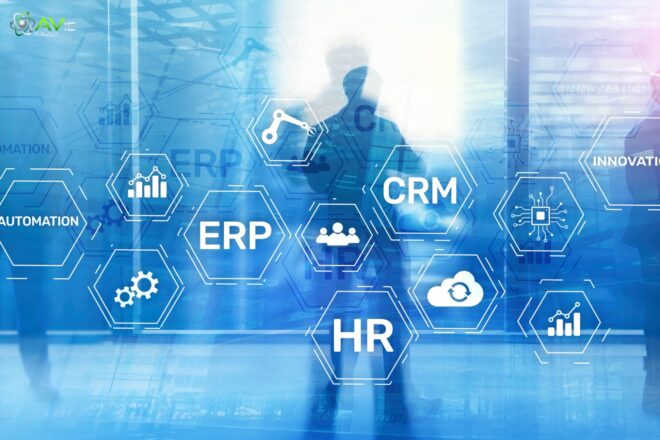
By combining everything into a single system, ERP solved this issue. It improves the process and saves time. Because ERP offers quick and accurate financial data, many businesses have started to trust it. It supports the confident growth of both small and large businesses.
Why Accounting Needs ERP Support
One of the most important features of every business is this. It counts, keeps track of bills, and handles money. Errors are easy to make in the absence of a system that is reliable. Manual accounting requires a lot of work, which finally consumes all of the energy. Accounting is safe and easy with an ERP system. It maintains the accuracy and cleanliness of all financial records.
Owners are better able to understand their growth when the appropriate figures are displayed at the right time. Additionally, ERP removes confusion and builds confidence in financial reports by bringing discipline to the accounting process. All of these factors help explain the need for strong ERP support in accounting today.
How ERP Works in Accounting
ERP operates in accounting through a central system that collects information from several companies. ERP keeps track of every sale. ERP keeps track of goods purchases. ERP keeps track of salary payments. Every number remains linked and updated in real time. This allows an easy financial tracking process.
Even reports on earnings, expenses, and profit and loss are produced using ERP. It keeps an eye on every financial transaction, acting as a quiet assistant. It reduced the chance of human error and maintains stability. Every day, ERP helps accounting in this way.
What’s the Main Purpose of ERP in Accounting
Keeping all financial tasks under control in one location is the primary goal of the ERP in accounting. It seeks to maintain accurate and accurate financial records. It saves time and establishes trust in the company. Errors resulting from physical labor are prevented. ERP automates tasks and relieves team members of stress.
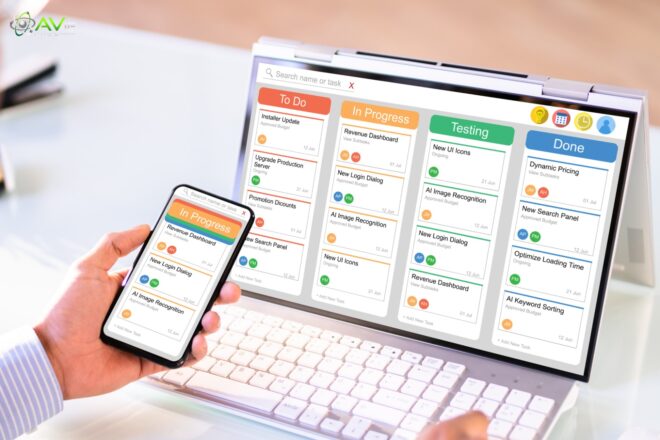
Since the business owners have a complete picture of their data, it also promotes growth. As a result, they make better judgments with ERP. Because the technology manages many jobs that previously required additional staff, it further reduces expenses. ERP is important for modern-day accounting because of this.
What are the Key Parts of ERP for Accounting Tasks
ERP includes many features that are useful for account management. Payroll, bank statements, general ledger, spending tracking, accounts payable, and accounts receivable are all kept up to date. The financial aspect of the company is supported by each of these modules. To ensure that no number is lost anywhere, these modules work together and stay integrated with one another.
ERP helps in document and receipt maintenance as well. It links financial information to employees, inventory, and sales. The entire business system is secured as a result. Each module helps with the creation of understandable financial reporting. ERP guarantees that each module fulfills its coordination role. This provides an accurate daily image of the company.
Difference Between ERP & Simple Accounting Software
Only basic financial functions are included in the basic accounting software. It does not link to other areas of the company, but it maintains a record. ERP is different in that it links numerous domains, including production, staff payroll, sales, and stock. It will provide a full system rather than just financial tracking. Reports are more thorough and present the whole situation.
Both small and large businesses can use this ERP. Additionally, there is less additional effort when everything is linked. This is not possible with simple tools. It functions as a full system that connects the entire company on a single platform. The main difference between ERP and basic accounting software is this.
The Benefits of ERP Roll
There are multiple benefits that can help us maintain the strategies in accounting. Let’s get into more details:
1. ERP and Real-Time Financial Tracking
One of the most powerful advantages of ERP is real-time financial tracking. When something occurs in the company, the system immediately updates it. This means the figures are always accurate and up to date. The business owners can observe results without waiting for a monthly report.
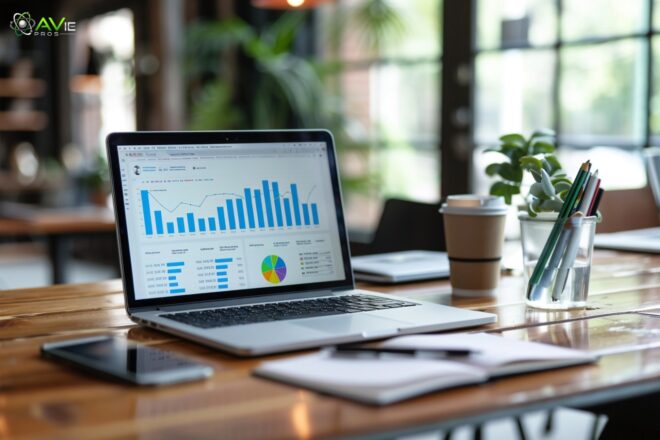
They can view the complete picture at any time by checking the system. That facilitates quick, wise decision-making. Errors are prevented via real-time tracking since everything is updated automatically. It keeps your team aware so they can act when needed. This results in stable and easy money management.
2. ERP Helps in Reducing Human Errors
In manual bookkeeping, human mistakes are common. The entire report could be changed by an incorrect entry. The company suffers as a result. By automating everything, ERP helps lower these errors. It maintains the accuracy and safety of the data. It quickly adds information and refreshes it as soon as it occurs.
The employees don’t have to type everything by hand. This reduces tension and improves team performance. Because ERP produces accurate financial records, business owners have faith in it. The reports become more reliable when there are fewer mistakes. This makes it easier for the company to expand without worrying about making mistakes.
3. ERP as a Tool for Business Growth
By giving a clear view of cash flow, ERP supports business growth. Owners are better able to decide where to spend and where to minimize unnecessary expenses when they have accurate numbers. Because ERP displays a company’s profit, loss, cash flow, and spending patterns, it fosters effective planning.
All of this promotes discipline in the company’s operations. ERP expands together with the business. The technology manages larger tasks without slowing down as the firm grows. It is a long-term investment that promotes achievement. In fact, a lot of expanding businesses today rely on ERP to help them fearlessly achieve new goals.
4. ERP and Data Security in Accounting
In accounting, data security is important. Money records need to be protected from attacks. ERP uses strong security measures to protect all financial data. Only reliable staff members are granted access to the data, which remains secure. It eliminates the possibility of abuse in this way.
ERP protects the company’s finances. Data is kept in a secure digital location. The data is safe even if the electronic device is broken. The business owners are at rest as a result. Both inside the company and with the clients, secure accounting builds trust. ERP offers strong and dependable data security.
5. ERP Helps in Better Decision Making
A company will make better decisions when the numbers are clear. ERP provides excellent reports that display the specifics of all financial activity. The cost, profit, and cash flow will all be visible to the owner. This helps owners in making the best decisions going forward. ERP displays the sources and destinations of funds.

It draws attention to areas of weakness and helps in the company’s recovery. Additionally, it draws attention to its strong points to accelerate growth. Making decisions becomes simple and accurate as a result. Because ERP provides them with clear facts, many leaders rely on it.
6. ERP in Managing Business Cash Flow
Each company revolves around its cash flow. Poor tracking might cause problems for a business. ERP is important to cash flow management. It displays the amount of money coming in and going out. Unpaid debts and impending payments are displayed. This maintains a company’s efficiency.
ERP offers up-to-date information on maintaining a transparent financial status. It prevents unexpected problems brought on by poor planning. Strength and stability are developed through effective cash flow management. ERP helps it by combining all information into a single view and enabling the company to operate with assurance.
7. ERP Makes Tax Work Simple and Clean
Tax work is often stressful because it needs correct numbers. ERP makes it easier and simpler for the tax process. It collects all of the financial records in one location. Everything is prepared for tax season. ERP generates reports that are ideal for tax requirements. To ensure that nothing is lost, it also keeps the documentation and proof.
It avoids confusion and saves time in this way. It lowers the possibility of problems with tax teams by maintaining accurate numbers. ERP assists companies in complying with all regulations and remaining safe. Business owners can rest easy knowing that their tax process will become organized and simple thanks to this support.
8. ERP and Inventory Accounting Link
ERP maintains the connection between accounting and inventory. The system is updated whenever the stock moves. The ERP updates the money record and modifies the inventory count when a product is sold. Both parties are kept healthy by this relationship. The remaining stock and its value are visible to the owner.
It prevents overspending and overspending. ERP maintains a balance between funds and inventory, establishing a link that facilitates business planning. For this reason, many businesses use ERP, which keeps their inventory under control and their accounting records accurate and organized. Strong management is brought about by the link.
9. ERP Helps in Smooth Audits
When documents are unclear, audits can be stressful. ERP reduces this anxiety by maintaining order. It maintains all documents in an orderly and secure manner. The technology saves time by lowering stress during an audit by displaying all information in one location. Every step is easily tracked by auditors.

Nothing remains hidden since ERP maintains the transaction history. It makes the company more transparent and trustworthy. Efficient audits contribute to the development of a solid reputation. ERP helps businesses by simplifying and stabilizing the audit process. Both the team and the owners find comfort in this.
10. ERP and Payroll Accounting Connection
Payroll is one of the most important parts of any organization since it involves paying employees. Payroll and accounting are strongly linked by ERP. Every document related to pay, taxes, overtime, and deductions is maintained neatly and organized. The financial side is instantly updated after payroll is processed. This maintains accurate and up-to-date financial records.
The accounting department is still stress-free, and the employees receive a fair and timely salary. Additionally, ERP keeps payroll information secure, and only authorized individuals can access it. This preserves payroll transparency and builds confidence. Payroll and accounting have a stable and seamless connection.
11. ERP Role in Handling Business Expenses
Each company faces many costs on a daily basis. It includes rent, tools, office expenses, travel expenses, and a host of other things. ERP assists by compiling all spending information in one location. The system immediately updates the financial report when the team reports an expense.
Owners can see where their money is going thanks to this. Because all the figures remain transparent, it also prevents overspending. ERP generates simple expense reports that help the company. Proofs are kept secure and accessible. This improves and cleans up spending control. ERP helps the company maintain discipline and make better strategies.
How ERP Improves Daily Accounting Work
ERP makes daily accounting tasks easier by automating and improving the process. Bookkeepers don’t have to keep doing the same thing. ERP keeps track of any transactions that occur. ERP updates it if an expense is involved. This produces a clear task flow and reduces effort. Every day tasks become easier and less stressful.
Additionally, ERP provides warnings for important duties such as financial deadlines, payroll days, and bill payments. This keeps the system organized and prevents late actions. Every day, the team remains on schedule. ERP makes daily accounting tasks easier and more disciplined.
How’s Training Staff helpful for ERP
Training staff is very important for the success of an ERP system in accounting. Even the best tool cannot help if the team does not know how to use it. A good training plan teaches staff how to record data, how to read reports, and how to solve small issues. Training builds confidence and reduces errors.
Staff work faster because they understand the system well. It also removes the fear of new tools. When the team is trained, the business grows smoothly. ERP becomes a strong partner. Training is a long-term investment that brings stability and accuracy to accounting.
Why Choosing the Right ERP for Accounting Important
Choosing the right ERP system is very important. A business must find a tool that matches its size, needs, and budget. The system should be easy to learn and handle. It should also give strong reports and real-time data. A good ERP must have strong security and good support. It should grow with the business over time.
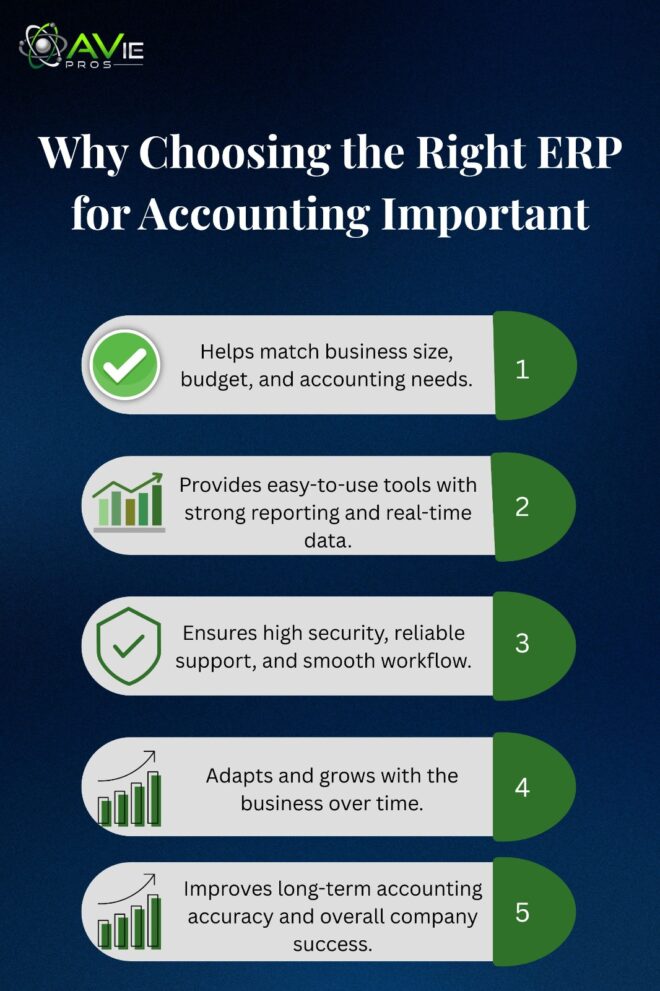
Owners must test the system before buying it to see if it fits their work style. Selecting the right ERP brings long-term benefits. It creates a strong base for accounting. It also supports the overall success of the company.
Future of ERP in Accounting
The future of ERP in accounting is very bright. Technology keeps getting better, and ERP systems keep getting stronger. They will handle more tasks through automation. They will give faster reports and safer data storage. Many companies will rely on ERP because it saves cost, time, and effort.
The future ERP systems will also use smart tools that predict financial outcomes. This will help owners take steps before a problem appears. The future holds many new upgrades for ERP. This will make accounting smooth, fast, and powerful. ERP will stay a leader in business success.
Conclusion
An ERP system in accounting is a powerful tool that brings all financial tasks under one platform. It removes confusion and saves time. It helps in real-time tracking, reduces errors, and improves decision-making. ERP also provides strong security and smooth audits. It supports growth and brings discipline to the business.
With everything linked in one place, the accounting side becomes clearer and reliable. ERP is now a must-have tool for modern businesses. It brings strength, confidence, and long-term success. Any business that wants to grow safely can benefit from using an ERP system.
FAQs
What is the main purpose of an ERP system in accounting?
The main purpose of an ERP system in accounting is to gather all financial tasks in one place. It keeps records correct and helps the business stay organized. It also supports better planning and smooth daily work.
Is ERP useful for small businesses?
Yes, ERP is helpful for small businesses as well. It saves time, reduces errors, and provides clear reports. It also helps small owners understand their money flow simply.
Does ERP improve financial security?
Yes, ERP improves security by keeping financial data in a safe space. Only trusted staff can access the records. This protects the business from loss and misuse.
How does ERP help in tax work?
ERP keeps all financial details ready for tax season. It organizes receipts, statements, and reports in one place. This makes tax work easy, fast, and safe.
Is ERP hard to learn?
ERP is not hard to learn when proper training is provided. With simple guidance, staff get comfortable with the system and work with confidence.