A swollen phone battery is one of the scariest situations a smartphone user may face. Many people have no idea how dangerous this issue actually is because it starts slowly and silently. Your phone may first feel slightly thicker than normal. Then, you could notice the back cover lifting a little. The screen might get flat or slightly lifted.
In this detailed blog, we will explore why phone batteries swell, what risks they bring, how to detect the problem, what not to do, and how you can fix the issue safely. Let’s explore it:
Understanding Why Phone Batteries Swell
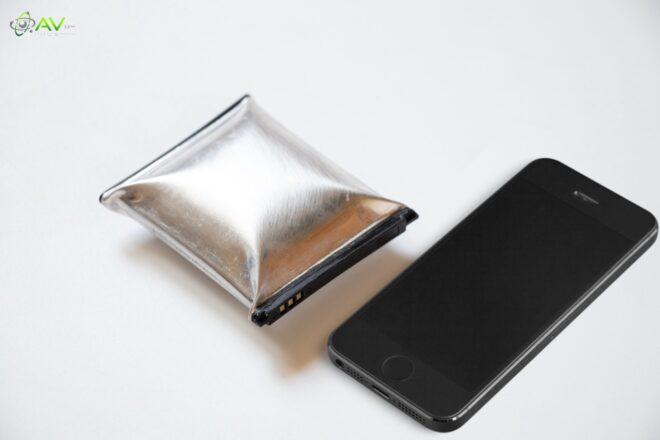
Lithium-ion or lithium-polymer batteries are found in the majority of modern mobile phones. These batteries are strong, small, and rechargeable, but they also need to be handled quite carefully. Gases can collect in these batteries if something goes wrong. The battery swells as a result of the gas buildup.
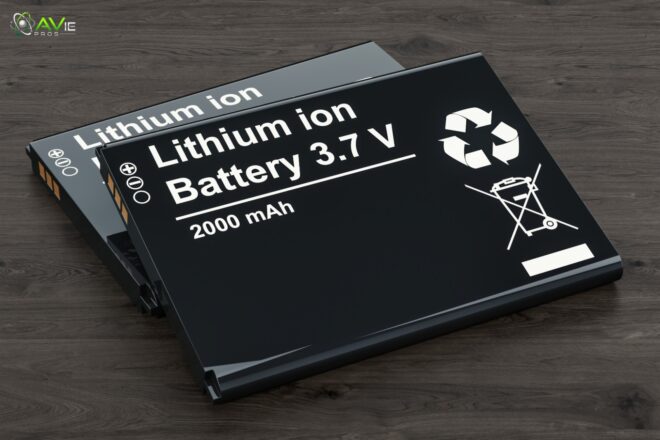
Problems with chemical reactions within the battery cause this kind of swelling. Once these reactions are unbalanced, the chemical layers begin to break down, resulting in gases that cannot escape from the sealed battery pack. The visible shape is the result of the battery expanding from the inside out due to this pressure.
Batteries frequently swell as a result of aging, poor manufacturing, overcharging, intense heat, physical damage, or poor chargers. Swelling can start very slowly, but once it starts, it never quits. Whatever you attempt, the battery never returns to its normal size. Understanding the causes is important since it enables you to identify the possible cause of the issue.
Causes of Battery Swelling
There are a few causes mentioned below of battery swelling. Let’s get into the details to acknowledge:
1. Battery Age
One of the most common reasons for battery swelling is getting old. In the end, each battery can only be charged and used a specific number of times before it gets weak because all batteries have a certain number of charge cycles.
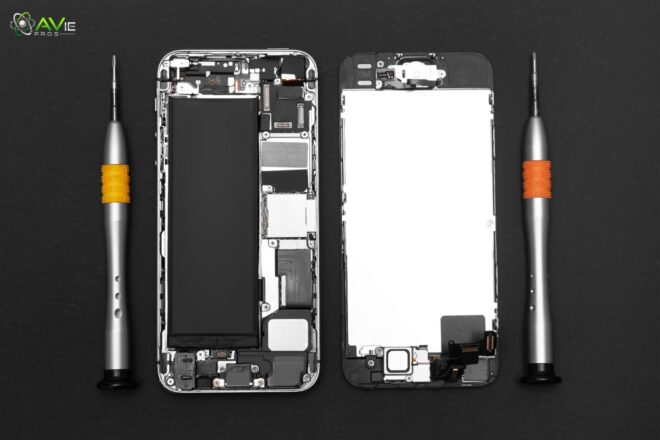
As the battery ages, its inside chemical structure breaks down little by little. This breakdown, in turn, influences the way the battery carries out energy storage and release. The battery gets unstable and easily releases gas when it is charged. Normal use even adds to swelling when the battery lasts longer than planned.
In fact, a lot of users have observed that after two or three years of consistent use, older phones start showing battery problems. That’s actually more common, and most of the time, the swelling begins because the battery has just reached the end of its useful life.
2. Extreme Heat
Heat is one of a lithium-ion battery’s main enemies. The battery is forced to work harder when your phone heats up, which causes the chemistry inside the battery to become unstable. The battery could die much more quickly as a result of this instability.
Many reasons, including leaving your phone in a car at high temperatures, using it while it is charging, playing games for extended periods of time, putting it under a pillow, or exposing it to direct sunlight, can cause heat. The device may generate heat even if the processor is overworked by heavy apps.
3. Overcharging and Poor Charging Habits
Many people think they can leave their phone charging overnight or keep it plugged in all day without causing any harm, but this habit slowly damages the battery. Modern phones do have security features, of course, but they are unable to completely prevent the long-term effects of overcharging.
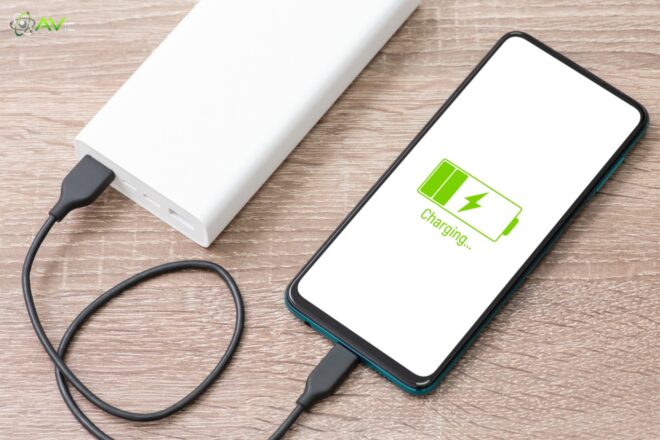
Your phone’s battery is forced to stay in this extremely stressful state if it continuously runs at 100% for extended periods of time. Lithium-ion batteries don’t like to be fully charged for lengthy periods of time. Over time, this stress leads to a chemical breakdown inside the battery cells.
Using cheap chargers, broken cables, or low-quality third-party adapters also harms its inner structure. Unstable current from a defective charger may cause the battery to overheat or suffer internal damage. The risk of swelling is increased by each of these conditions.
4. Manufacturing Faults
Batteries do sometimes swell as a result of manufacturing faults. The materials used to make the battery might have small defects or dirt. These are typically undetected in the early stages and cannot be seen from the outside. However, during months or years of use of the phone, the built-in problem starts increasing gradually, creating chemical instability eventually.
As a result, the battery eventually swells and produces gases. For this reason, some new phones also encounter cases of swollen batteries even when the device isn’t too old. If the phone is still under warranty, many companies offer replacements for this reason.
5. Physical Damage
The battery within your phone might be harmed by dropping it, damaging it, or applying it to force. Sometimes, even though the phone may seem absolutely fine from the outside, the battery may develop cracks or pressure zones that cause a decline in the interior chemical structure. These interior layers of the battery are unstable when broken and activate chemical reactions, releasing gas.
This gas gathers inside the sealed battery, which leads to its expansion. Sometimes physical trauma causes this swelling to occur quickly, and you can see the effects right away. In other cases, this swelling may start very slowly over time. Either way, physical damage remains one of the biggest reasons for battery problems.
6. Environmental Impact
Batteries contain chemicals that can be toxic if not disposed of safely. When people throw batteries in regular garbage, these chemicals can leak into the ground and mix with water sources. This pollution affects plants, animals, and even humans. Recycling centers carefully handle damaged batteries so they do not cause harm. By disposing of swollen batteries in the right way, you are helping protect the environment.
Hidden Risks of a Swollen Battery
More than just an issue, a swollen battery provides a major risk to public safety and must be treated right away. Your phone’s internal parts may be stressed as the battery expands, which might push the screen out, harm the frame, or even cause the display to break. If the battery continues to enlarge and isn’t removed in time.
It may leak chemicals, create smoke, or even catch fire. In general, a swollen battery is unpredictable because the gases inside are highly reactive. Even a slight puncture can trigger a serious reaction, and that is why handling a swollen battery must be done very carefully, while ignoring it may become fairly risky. Let’s look for possible risks:
1. Affects Your Phone’s Performance
Many phones begin showing performance problems before the swelling is actually noticeable. When the battery is at a good level, the phone can just shut off, or it might restart at random and freeze while in use. It may run warmer than usual, and it can cause slow or unplanned charging. These result from a battery’s failure to keep its power as it should once internal damage starts.
The device’s internal power flow may potentially be affected by the swelling. The internal components can then be subjected to more pressure, which would undoubtedly affect their regular operation. In actuality, a lot of people recognize these performance issues well before the swelling becomes noticeable.
2. Damage to Internal Components
When a battery swells, the pressure inside the phone increases. This pressure pushes the screen outward, which can bend the frame or loosen the internal components. The motherboard, charging port, and connectors inside the device can all be affected.
Sometimes, the damage becomes permanent, even after replacing the battery. The screen may lose sensitivity, the touch function may become weak, or the phone may develop display lines. These internal damages can be expensive to fix. This is why it is important to address swelling immediately.
How to Fix Swell Battery?
There’s a detailed guide to fix your problem. If you can’t fix it you own then what to do next. Let’s check it:
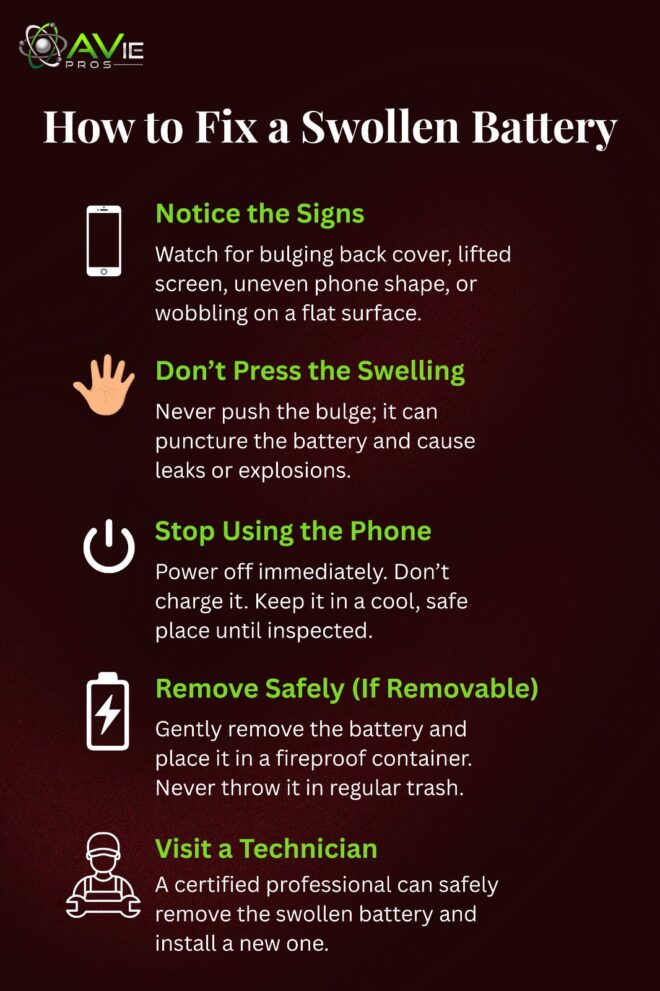
1. Notice the Signs
One of the most noticeable signs of a swollen battery is that the shape of the phone changes. You might be drawn to the rising back cover or its faulty fit. In phones that have removable backs, the cover may become difficult to close. For phones with non-removable batteries, the screen can start rising from the edges, which is highly risky.
Another symptom is that the phone no longer sits straight on a table. If the phone vibrates or slides about when placed on a surface and pressed, there’s no doubt that there is swelling inside. Users also claim that the thickness and weight of their phones as unequal in some locations. These are a sign that your battery is growing, thus you shouldn’t ignore them.
2. Don’t Press on a Swollen Battery
Some people make the mistake of pushing the phone’s swollen part in an attempt to replace the cover. That is extremely risky. Pressing the swelling area puts more pressure on the battery, increasing the possibility of a chemical reaction.
Even the smallest punctures can cause leaks or explosions in lithium-ion batteries due to their extraordinary sensitivity. Applying pressure to the swollen area does not resolve the problem, it increases the situation and raises the risk. Rather than pushing the battery back in, it should be safely removed.
3. Stop Using the Phone
The first and most important step is to stop using the phone. Turn it off and do not charge it again. Keeping it powered off reduces the chances of heat or sparks that could trigger a reaction. Remove the phone from any flammable area and place it somewhere safe and cool.
Do not try to remove the battery yourself if you are not experienced. Lithium-ion batteries must be removed carefully, and applying too much pressure or using sharp tools can be dangerous. It is better to take the device to a certified technician or the official service center as soon as possible. These professionals have the right tools to remove and replace the battery safely.
4. Remove the Battery
If your phone has a removable battery, you can carefully take it out. But you must do it very slowly and gently. Hold the sides of the battery without squeezing it too hard. Do not bend it or poke it with anything. Once removed, place it in a fireproof container or a metal box. Do not keep it near heat or sunlight.
Do not throw it in regular garbage because battery chemicals can harm the environment. Most cities have special recycling centers where you can safely dispose of damaged batteries. If your phone does not have a removable battery, do not attempt to force it open. Taking it to a repair shop is the safest option.
5. Look for Technician
When you take your phone to a certified repair center, the technician will first examine the device to check how much damage has been done. If the battery has caused the screen to lift, they may need to replace the screen as well. The technician uses special tools to open the phone without creating sparks or applying pressure.
Once the swollen battery is removed, it is placed in a protective container. After that, a fresh, original battery is installed. Technicians always check whether the phone still functions normally after replacing the battery. A proper technician will also clean any internal parts that may have been affected by the pressure.
Tips to Prevent Battery Swelling in the Future
It is better to prevent your battery from swelling before having any problem. Let’s learn some important tips and tricks that can help us avoid battery swelling in the future:
- First step is to avoid overcharging your phone. Overcharging makes the phone battery’s performance weak.
- Don’t let your charger be plugged in overnight.
- One more thing is, don’t run for full battery reaches, then unplugging.
- Avoid using heavy apps while charging your phone. It can heat up the battery.
- Only use your original charger and avoid using cheap cables.
- Lastly, don’t try to force your old battery to work longer. Simply replace the old battery and get a new one.
They simple habits can resolve so many future problems. Follow the guidelines for better results.
Important Queries for Safety
There are a lot of questions that can confuse people. We’re going to crack down on all possible queries to clarify your doubts. It will help you to decide what to do in a particular situation. Let’s get into:
1. Why Original Batteries Are Important for Safety
Many people try to save money by buying cheap replacement batteries, but low-quality batteries can cause new problems. A battery that is not original may not follow the proper safety standards. It might overheat, drain too quickly, or even swell again.
Original batteries are made for your specific phone model and have safety features built into them. These features help control temperature, charging speed, and power output. Using original batteries reduces the risk of swelling and gives your phone a longer life. It is better to pay a little more for safety rather than risk damaging the phone again.
2. Why You Should Never Continue Using a Phone With a Swollen Battery
Low-quality batteries, even when provided at a lower price, cause additional problems for many customers who try to save money by purchasing lower-cost replacement batteries. It’s possible that a non-original battery doesn’t meet the necessary safety requirements. It may become hot or discharge too quickly, or even expand again.
The original batteries are created for your specific phone model and have safety measures built into them that control temperature, charging speed, and power output. Using original batteries extends the life of your phone by lowering the chance of swelling. Paying a bit more for security is preferable to taking another chance with the phone.
3. Why Storing Your Phone Matters
Using a phone with a large battery is risky since the internal pressure keeps rising. Even everyday activities, including as charging, watching videos online, and making calls, can heat up the battery and further increase the swelling. The possibility of a harmful reaction increases with the amount of time you spend using your phone.
A battery becomes unpredictable when swelling starts. The phone still turns on, so you may believe nothing is wrong, but every minute of use causes the battery to become more unstable. In this case, the safest solution would be to stop using the device altogether and disconnect it from power immediately.
4. Why Some Phones Are More Prone to Battery Swelling
If you are planning to store your phone for a long period, such as when you switch to a new device, it is important to store it properly. Do not keep it with a full or fully dead battery instead, the battery should be partially charged.
The phone should be stored in a cold and dry environment. When stored properly, the battery will remain extremely stable and won’t swell when it’s not being used. Even when the phone is not in use, improper storage in hot or humid environments can cause battery damage.
5. How Battery Health Apps Can Help You Monitor Problems
Due to design limitations, some models may be more prone to swelling than others. Extremely slim phones provide extremely small spaces around batteries. Even a small buildup of gas is noticeable right away. Some brands use batteries with higher capacity or different chemicals that could respond differently over time.
If the manufacturer does not provide proper ventilation or temperature management, then the battery can heat up quickly and get damaged. This is one of the key reasons why swelling has been reported more frequently in specific models by end-users.
6. Why Phone Manufacturers Warn Against Third-Party Repairs
Many manufacturers warn users not to open their phones on their own, especially when the battery is swollen. This is because opening a phone without proper tools can puncture the battery. Even a small accidental scratch can cause the battery to release smoke or burst.
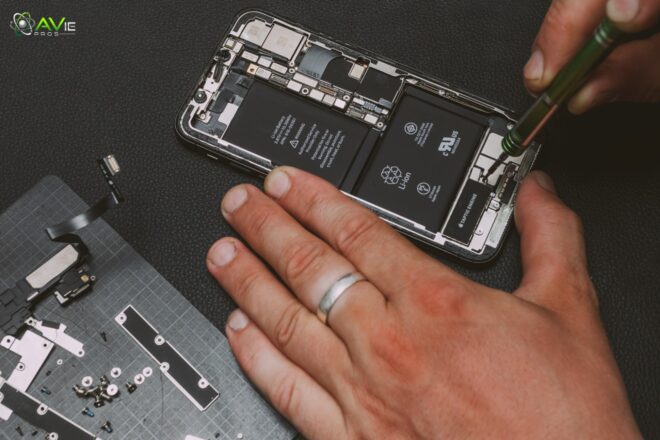
Third-party repair shops may not always follow safety standards, and they might use poor-quality replacement batteries. This puts your phone and personal safety at risk. Going to an authorized service center ensures that the repair is done according to proper safety procedures.
7. Should You Keep a Swollen Battery at Home?
A swollen battery should not be kept at home for long because it is unstable and can react at any time. If you must keep it for a short time before disposal, place it in a fireproof metal box. Do not keep it near flammable materials like curtains, paper, or wood. Try to dispose of it as soon as possible at a recycling center or service facility. Storing it improperly can turn into a fire hazard.
8. When a Swollen Battery Can Be Repaired and When It Cannot
A swollen battery must be replaced entirely because it cannot be fixed. However, the level of damage the phone has caused determines whether or not it can be repaired. The screen can typically be repaired if it is only slightly raised.
However, if the screen has been damaged or the swelling is affecting the internal structure, then the repair can become more expensive relative to the value of your phone. In these situations, it could be best to get a new one. A technician can tell you the best solution after analyzing the damage.
9. Why You Should Never Throw a Swollen Battery in the Trash
Throwing a swollen battery in standard trash is particularly risky since it might catch fire if subjected to pressure or changes in temperature. Trash is compressed by garbage trucks, which could cause the swollen battery to burst.
A battery fire spreads quickly and may become quite deadly. In addition to being important in ensuring safety, proper disposal also takes the environment into account. Chemicals from batteries are toxic and damage water and soil when disposed of carelessly.
10. How Much Does a Battery Replacement Usually Cost?
The replacement cost varies for a swelling battery by model and brand. Batteries for high-end phones tend to be more expensive, and in some cases, screens also need replacement when damage from pressure has occurred.
Most of the mid-range phones have considerably cheaper battery replacements. The price tag is normally lower with third-party retailers, but official service centers offer safer and more reliable alternatives. Using certified repair services may cost a little more, but it decreases the danger of future swelling.
Final Words
A swollen phone battery is a major problem that should never be ignored. It is not an inconvenience but really a safety hazard. You can protect your equipment and stay away from dangerous situations by being aware of the reasons for battery swelling. The answer is always the same, regardless of the cause: heat, overcharging, physical damage, or manufacturing faults.
The phone should be handled carefully, and its battery has to be changed. It puts your safety at risk and could permanently harm your phone if you use it with such a huge battery. It is a fast that works, switch it off and take it to a skilled technician.
Future swelling can be avoided with good charging methods like keeping your phone cold, avoiding inexpensive chargers, and replacing old batteries on schedule. Taking care of your battery is taking good care of your phone and your safety.
FAQs
Is it safe to remove a swollen battery by myself?
It is only safe if the phone has a removable battery and you handle it gently. For non-removable batteries, you should always go to a technician.
Can a swollen battery explode?
While it does not always explode, there is definitely a risk. Swollen batteries can catch fire or leak harmful chemicals, so they must be handled carefully.
How can I prevent battery swelling?
Avoid overcharging, keep your phone cool, use original chargers, do not drain the battery completely, and replace the battery when it gets too old.
Does a swollen battery go back to normal?
No, swollen batteries do not return to normal size. Once swelling begins, the battery must be replaced.
Is battery swelling covered under warranty?
It depends on the brand and the cause. If it is due to a manufacturing defect, many companies replace it under warranty.