The development of display technology has become one of the most important parts of today’s life. It might be smartphones, TVs, tablets, and even other technology. The display quality has a significant impact on colors, clarity, brightness, and sharpness. The quality is also affected when one person spends hours every day scrolling through the screen.
OLED and AMOLED are two of the most popular display technologies available today. These screens are well-known for their brilliant colors, attractive colors, and eye-catching images. According to people’s perception, these two displays are similar, but there is a clear difference between the two. We will thoroughly look at AMOLED and OLED technology.
This article includes how they function, their differences, and which is best for modern cell phones. To decide which display is best for you, we will look at color performance, power consumption, durability, screen quality, and upcoming display technologies. Let’s explore OLED vs Super AMOLED:
What is OLED?
Organic Light Emitting Diode is referred to as OLED. In this technology, an electric current flows through biological materials to produce light. OLED pixels produce light on their own, as compared to traditional LCD screens that rely on a backlight. Because each pixel can switch on or off separately from the others, this gives OLED displays an important benefit. A pixel’s full darkness when it turns off produces an amazing brightness level that improves the visual experience.
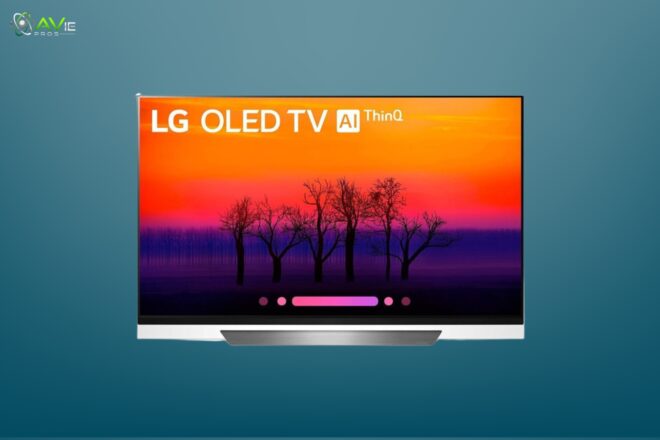
OLED screens are great for watching movies, editing photos, and other visually rich content. Because of their deep blacks, seamless color changes, and extremely high contrast. Additionally, OLED screens are flexible enough to be used in ultra-thin, foldable, or curved devices. The development of slim and lightweight designs is made possible by their self-illuminating nature. This reduces the need for thick layers inside the display. The natural color presentation of OLED panels is their best feature.
The colors seem brighter, softer, and more realistic. This is one of the reasons OLED has recently gained so much popularity for high-end smartphones and TVs. However, if the same image remains on the screen for an extended period of time. OLED screens may experience certain minor issues like image retention or burn-in. Nevertheless, this issue has decreased over time with the use of modern technology and care.
What is AMOLED?
AMOLED stands for Active Matrix Organic Light Emitting Diode. In actuality, it is an improved and advanced OLED. A unique layer of thin-film transistors known as TFTs is positioned under the screen in AMOLED, even though OLED is the primary technology behind it. The display can grow faster and brighter because of this active matrix’s improved control over each pixel. Higher refresh rates, improved brightness levels, and enhanced motion sharpness are all benefits of AMOLED technology.
For this reason, the majority of high-end smartphones, especially those made by Samsung, have AMOLED screens rather than straightforward OLED ones. More bright colors are displayed by AMOLED because the pixels receive higher-quality electrical signals. Colors are going to be brighter, which is something that many users, especially those who enjoy gaming and multimedia, would prefer.
In order to allow easy scrolling, smooth touch response, and animations, the display reacts more quickly. An AMOLED display often uses less power because individual pixels can turn off when displaying something darker. Because of this, it uses relatively little energy, especially when Dark Mode is on. AMOLED is comparable to OLED, but it has more power, efficiency, and control, which is why high-end smartphones and other modern devices like it.
Key Differences Between AMOLED and OLED
In short, keep in mind that AMOLED was based on OLED. In the beginning, OLED uses self-emitting organic pixels to provide the framework. Next is AMOLED, which adds a thin-film transistor layer to improve performance. Higher refresh rates, more brightness, and smoother motion are all made possible by AMOLED monitors. This additional layer allows for better pixel control.
While AMOLED screen displays can display brighter and attractive color tones, OLED is very good at natural colors. Many customers complain that while OLED panels display more realistic colors, AMOLED displays are brighter. Performance in the presence of sunlight is an additional difference. AMOLED can achieve higher brightness, making the screen easily visible in direct sunlight, but basic OLED screens can struggle in extremely bright outdoor conditions due to their limited brightness levels.
Another area where AMOLED typically has the advantage is power consumption. The AMOLED uses electricity more effectively and reduces battery drain after regular usage due to the active matrix. Finally, because AMOLED displays require additional production stages and advanced technology, they are usually more expensive than OLED displays. Let’s get into:
1. Color Quality and Contrast
The color quality is probably the most important factor when comparing OLED and AMOLED screens. An OLED display’s colors appear incredibly realistic and natural. The colors reflect those found in nature and look softer and more pleasant. Because of this, OLED is a great choice for readers, movie lovers, and anyone who needs accuracy in every application.
OLED is typically preferred by photographers and designers since it doesn’t oversaturate colors and keeps a nice appearance across all different shades. By making color brighter, richer, and more brilliant, AMOLED improves color to a new level. A lot of smartphone manufacturers choose AMOLED because users prefer attractive screens with sharp contrast. This technique displays deeper blacks when each pixel truly shuts down when not in use.
Bright colors seem very amazing when they end up adjacent to dark pixels. The effect is most noticeable in apps, games, and films with a dark theme. Every detail appears more unique and crisp thanks to AMOLED’s enhanced sharpness. AMOLED usually feels more amazing if you simply enjoy bright colors and a beautiful-looking screen.
2. Brightness and Outdoor Visibility
One of the most important parts that affects how well a display appears in the sun is brightness. Since people often use their phones outside, the screen should be able to be seen in bright light. Although OLED panels have good brightness, they may have trouble in extremely light outdoor environments. Standing in direct sunlight can make it difficult to read messages or view videos since the light reflection on the screen becomes greater, and the content may appear somewhat dull.

AMOLED displays manage brightness much better due to their advanced technology. This makes the screen easier to view during the day by enabling it to get higher brightness levels. Many flagship phones also feature dynamic brightness adjustment, which raises screen brightness in bright regions and lowers it in dark ones for longer battery life. This enables AMOLED to perform consistently under all lighting conditions. AMOLED provides crystal-clear viewing practically anywhere, indoors or out, in low light or not.
3. Battery Performance and Power Usage
For every smartphone user, battery performance is important. Because they have a backlight, OLED screens already use less electricity than standard LCD screens. Each pixel generates light on its own and uses less energy while displaying dark colors. When using dark themes or dark-themed apps, this helps OLED devices save battery life with regular use.
Additionally, AMOLED screens desire even greater power efficiency. Energy only flows where it is required because the active layer manages pixels more intelligently. AMOLED can use not much electricity for such pixels if the majority of the panel is dark. Since AMOLED panels benefit more from dark mode, the majority of smartphone manufacturers advise switching to it.
In dark mode, the battery lasts longer, especially when you’re using it a lot. AMOLED is generally more efficient and can provide better results in regular use if battery life is your primary concern.
4. Durability and Screen Lifespan
For OLED and AMOLED technology, durability has always been a challenge. Both are made with organic materials that may change over time. Burn-in, a situation where a static image leaves a permanent mark on the screen, was more common in previous OLED display generations.
Although the most recent OLED panel generations have greatly improved in this area, caution should still be used when using them. Even advanced AMOLED displays face similar risks of burn-in. To improve the screen’s life and prevent damage, smartphone manufacturers have used a variety of protective technologies. Including pixel shifting, brightness balancing, and software-based burn-in protection.
Both OLED and AMOLED can function normally for years without experiencing any issues. The device’s durability usually depends on its usage. The lifespan can be increased by limiting screen brightness and avoiding long usage of static images.
AMOLED vs OLED in Smartphones
These two technologies have become so popular mostly because of smartphones. Because OLED offers very good quality at quite reduced costs, it is used in many mid-range devices. It provides pleasant images, good battery performance, and lovely colors. In order to maintain a balanced performance-to-cost ratio, many smartphone manufacturers choose OLED.

Because of this, AMOLED is the more expensive kind and can be found in high-end devices. AMOLED screens are usually found in flagship models from companies like Samsung, OnePlus, Google Pixel, and others because they provide richer colors, better refresh rates, and higher brightness.
Because the AMOLED display makes animations smoother and much more responsive, gamers especially enjoy it. Additionally, a smooth and bright screen will be important for providing daily comfort because smartphone screens are used all day. Because of this, high-end smartphones mostly use AMOLED.
AMOLED vs OLED in TVs
OLED TVs are more common than AMOLED TVs. OLED TVs are favored because they offer wide viewing angles and natural color, making them suitable for home entertainment. The cinematic contrasts and deep blacks provide movie lovers with a unique experience.
For these reasons, OLED TVs have become very popular in both video games and home theaters. AMOLED is rarely found in televisions because it is more costly to produce for large sizes. There is no need for the additional expense of AMOLED, as the performance needed for OLEDs in TVs can already be achieved.
For users looking for high-quality images at reasonable costs, an OLED TV continues to be the ideal choice. They are better than LCD and LED TVs for a number of reasons, including their perfect handling of dark scenes and outstanding resolution.
The Role of Refresh Rates in Quality
The number of times the screen updates in a second is known as the refresh rate. In short, it defines how flexible the visual experience will be. Standard refresh rates, such as 60Hz as well as 90Hz, are usually supported by OLED panels. For everyday activities like browsing, reading, and watching movies, this is just suitable.
Refresh rates are pushed to a whole new level by AMOLED panels. 90 Hz, 120 Hz, and even 144 Hz are often available in smartphones. This improves enjoyment and makes scrolling really smooth. AMOLED is a great option if you like fast-paced games or animated scenes.
The active matrix enables quick pixel switching, which reduces motion blur and improves the smoothness of movements. For this reason alone, flagships nearly always use AMOLED screens when a high refresh rate is required.
Energy Efficiency in Real-World Use
Energy efficiency is more about how people use their devices than it is about the technology itself. When displaying shades, both OLED and AMOLED screens save battery life. However, AMOLED’s active matrix technology allows for smart energy management.
AMOLED usually requires less power when playing games, streaming videos, or multitasking. OLED continues to be energy-efficient. It can use some more energy when displaying bright images. In order to help users save battery life, modern smartphones have added system dark mode.
Both OLED and AMOLED may function effectively when background apps or themes are used. However, AMOLED may have a little advantage in terms of battery consumption if your usage includes photos and heavy content.
Viewing Angles and Visual Stability
When looking at the screen from the side instead of the front, viewing angles affect how it looks. Viewing angles are already provided by OLED screens. OLED is an option for group watching because the colors stay consistent whether viewed from the left or right. By offering colors from different viewing angles, AMOLED improves this feature.
When you tilt your phone or tablet, the screen stays bright and clear. This is helpful when using your device to watch videos with friends while resting or multitasking in different screen orientations. There is very little color variation. The brightness doesn’t change.
How AMOLED and OLED Handle HDR Content
High Dynamic Range, or HDR, is a method used in displays to show greater detail, deep blacks, and increased brightness. OLED’s ability to completely deactivate pixels allows it to handle HDR well. This makes it possible for dark areas to remain realistic and deep while bright areas appear bright. AMOLED’s higher peak brightness enhances HDR.
In movies and video games, the bright parts stand out and have a powerful effect. AMOLED usually provides a great experience if you enjoy HDR content, while OLED offers a softer cinematic atmosphere. They are both excellent. For those who value HDR, OLED offers brighter contrast and more brightness.
Future of AMOLED and OLED Technology
Screen technology appears to have a bright future. OLED will continue to improve in terms of durability and color accuracy, making it more reliable for TVs and mid-range smartphones. Because OLED offers gadgets variety and finds a balance between cost and quality, more companies are investing in it. AMOLED is expected to continue to be the most advanced technology in high-end devices.
Brightness, speed, and energy efficiency are expected to be reached. AMOLED applications are being actively expanded by manufacturers into new technologies, including see-through screens, folding displays, and under-display cameras. AMOLED may become the technology of choice in the high-end market as the two technologies continue to change.
Conclusion
Choosing between AMOLED vs OLED depends on the desire of experience you want. Colors, full blacks, wide viewing angles, and a cinematic visual are all areas where OLED shines. It works well for TVs, mid-range smartphones, and regular people looking for a nice display.
AMOLED, on the other hand, is the improved version that offers displays, brighter colors, fluid animations, and more overall efficiency. For high-end smartphones, gamers, and people who like dynamic images, it is perfect. Both kinds of displays are great, and depending on how you use your device, each has advantages.
OLED is balanced and natural, while AMOLED is more powerful and modern. Ultimately, your daily usage and personal preferences will determine which option is best. AMOLED is the best option if you want faster, brighter, and more advanced images. However, OLED is still a great option if you want soft colors and bright images.
FAQs
1. Which display lasts longer, AMOLED or OLED?
Both displays have similar lifespans, but AMOLED may degrade faster because it pushes pixels harder. With normal usage, both can last many years without issues.
2. Is AMOLED better for gaming?
Yes, AMOLED is usually better for gaming because it offers higher refresh rates, faster response times, and brighter colors.
3. Does OLED consume more battery?
OLED uses less battery than LCD but slightly more than AMOLED during bright visuals. AMOLED is more efficient with darker content and animations.
4. Which is better for the eyes, AMOLED or OLED?
Both are comfortable for the eyes, but OLED may appear softer and more natural. AMOLED is brighter and may look more intense, depending on settings.
5. Why do flagship phones use AMOLED?
Flagship phones prefer AMOLED because it offers vibrant colors, high refresh rates, strong brightness, and top-level performance.
6. Does AMOLED support HDR better than OLED?
AMOLED supports HDR more strongly because of its higher brightness, making highlights more dramatic.
7. Is OLED better for TVs?
Yes, OLED is widely used in TVs because of its cinematic color accuracy, deep blacks, and excellent viewing angles.