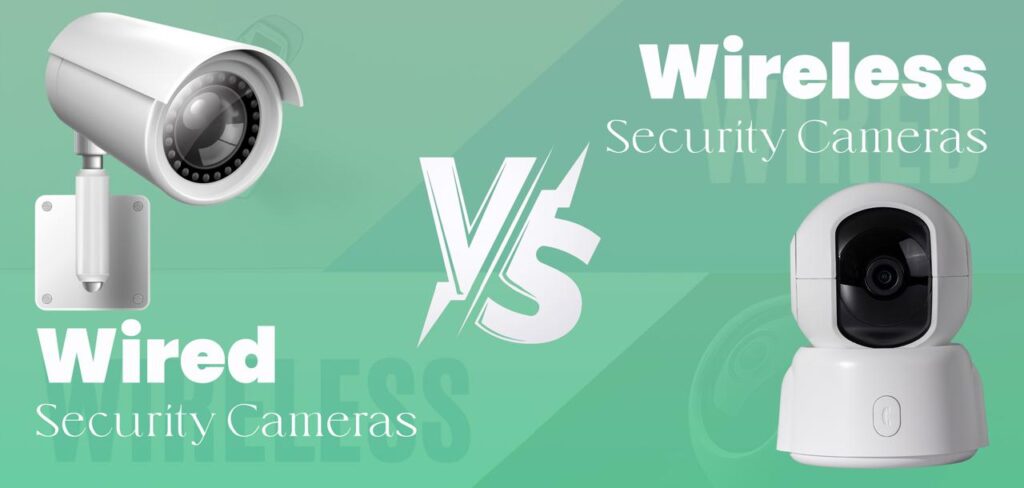

In today’s world, security cameras are common. People rely on them to protect their belongings and give them peace of mind, and they are used in both homes and offices. However, choosing between wired and wireless cameras is a common problem that most beginners experience. Since they both have the same function of recording video, they may initially seem to be similar.
However, there are significant differences in how they are used, installed, and function. Understanding the advantages and disadvantages of both wired and wireless security cameras can help you choose the one that works best for you. Let’s explore it:
Why Security Cameras Matter
It’s important to understand the value of security cameras when comparing wired and wireless. An effective camera system is like having extra eyes that never stop watching. Cameras prevent thieves from entering your home or building. If something occurs, they also give you proof. Many people use them to keep an eye on kids, pets, or packages in addition to for safety.
Cameras provide you with peace of mind because crime and burglary are still problems everywhere. By purchasing the right system, you may feel safer day and night and monitor your property at all times. Let’s understand two types of cameras:
1. What Are Wired Security Cameras?
The standard type that has been in use for many years is the wired camera. Cables are used to connect a recording device to wired cameras. Usually, they are connected to a network video recorder (NVR) or digital video recorder (DVR) and a power outlet. Wired cameras require professional installation or, at the very least, some technical know-how because of the wiring.
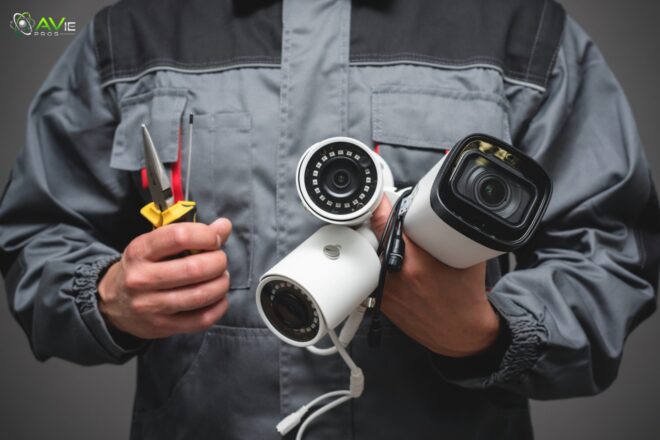
Wired cameras provide a strong and consistent signal after installation. They are a dependable choice for larger organizations and businesses because they rarely encounter disruptions. The majority of people choose them due to their long-term performance, even though installation takes more work.
2. What Are Wireless Security Cameras?
More recently, wireless security cameras have become incredibly popular because of how simple they are to operate. Instead of running cables through walls, they make use of your Wi-Fi network. Typically, wireless cameras are powered by a power cable or batteries. The biggest advantage is that they are simple to install, sometimes even without expert help.
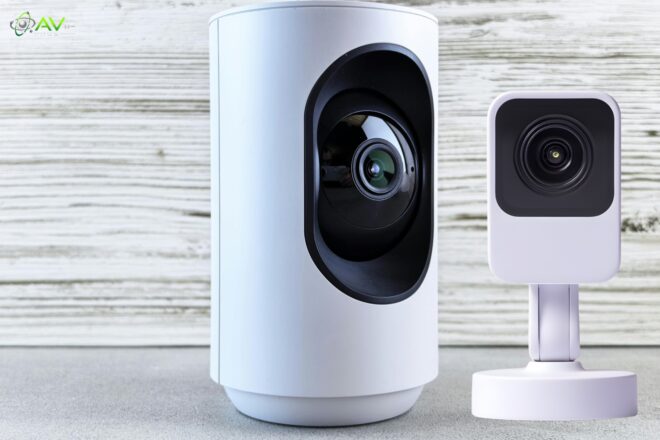
Installing them is simple, and you may watch them remotely by connecting them to your phone. They are perfect for people who don’t want to bother with difficult installations or for small homes. However, they depend on the speed of the internet connection, thus, if the Wi-Fi connection is bad, sometimes they perform differently.
Battle of Comparison Between Wired vs Wireless Cameras
The difference matters a great deal; it makes the products unique from one another. After taking notice of the features, you’ll come to know which camera is best for you. Let’s get into:
1. Installation Differences
Installation is probably the biggest difference between wired and wireless cameras. Drilling holes, installing lengthy wires, and perhaps even hiring professionals are all part of wired systems. Installing these takes additional time and money. However, once installed, they are quite reliable. It is much simpler to use wireless cameras.
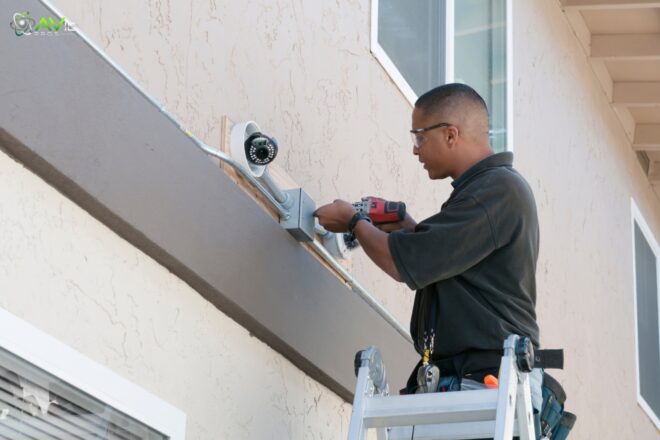
By just connecting to Wi-Fi and mounting them to the wall, many of them may be put in place in a matter of minutes. This makes them simple for beginners to use. The disadvantage is that you may experience connectivity problems if your Wi-Fi is weak. It is up to you to decide between long-term dependability and efficiency. Many people also compare wired vs wireless security cameras performance before deciding which option to choose.
2. Power Supply Needs
When choosing security cameras, power is an important factor. Wired cameras don’t require batteries because they are usually powered by the same cable that moves footage. Once installed, they never need to be turned off and run continuously. While some wireless cameras include an electric plug option, most of them use batteries.
More positioning flexibility is possible with battery cameras, but you’ll need to remember to recharge or replace the batteries. If you forget, it’s inconvenient. Wired models are better if you want a camera that always functions without extra effort. Wireless options work well if you want easy positioning.
3. Video Quality and Reliability
In terms of video quality, high-definition recordings can be made by both wired and wireless cameras. However, because the data passes through a strong cable connection, connected cameras typically work more dependably. Since wireless cameras rely on Wi-Fi, poor internet speed or a large number of devices connected at once may sometimes reduce video quality.

Another consideration is distance. The wireless camera will freeze or not record correctly if it is too far from the router. People who require constant, crystal-clear recording are more likely to choose wired cameras. Some users also wonder, Does wired or wireless have better security? and this often depends on your internet speed, setup, and the environment.
4. Storage Options
Another major factor to consider when choosing between wired and wireless cameras is storage. DVRs and NVRs, which continually record video and store it on hard drives, are frequently used in wired systems. This gives you easy access to previous content and a large amount of storage.
On the other hand, wireless cameras usually store on a small memory card inside the camera or in the cloud. Although cloud storage is widely available, it usually requires a monthly subscription. Memory cards fill up fast. Wireless storage offers greater flexibility than wired storage, which is more conventional.
5. Flexibility and Portability
One important advantage of wireless cameras is their flexibility. They are easy to move to any location because they don’t require lengthy wires. It only takes a few minutes if you need to move a camera from one room to another or relocate it. However, once placed, hardwired cameras cannot be removed.
Reinstalling cables would be necessary to shift them, which would be costly and time-consuming. Wireless cameras might be a preferable choice for renters or people who move around a lot. Wired cameras would be a preferable choice for homeowners who would rather have a stationary arrangement. Being flexible is important depending on where you live.
6. Maintenance and Upkeep
Additionally, there are differences between wired and wireless cameras. Because wired systems are directly powered and securely connected, they require very little maintenance after installation. On the other hand, wireless systems may need to be frequently recharged or equipped with new batteries.
Additionally, you need to regularly make sure that your Wi-Fi connection is strong enough. Since devices and apps are regularly updated to improve security and performance, software updates make up another part of wireless maintenance. For beginners, wireless maintenance is more difficult, but not impossible. Wireless cameras need the occasional look, whereas wired cameras are more forgettable.
7. Cost Comparison
When deciding between wired and wireless cameras, cost is frequently a major factor. Because wired systems require expert setup, cables, and recording equipment, they may be more expensive up front. Unless you buy more services, they usually don’t cost money every month. Many wireless cameras require cloud subscription agreements in order to be used for storage.
Those fees mount up over time. Wired cameras can be a better choice if you’re thinking about long-term savings. Wireless systems are the best option if you don’t mind having to pay for storage and would rather have a cheap initial cost. Many people research the pros and cons of wired vs wireless security cameras before making this financial decision.
Major Factors About Wired and Wireless Cameras
There are various factors that matter a lot in your journey. Let’s understand and learn more:
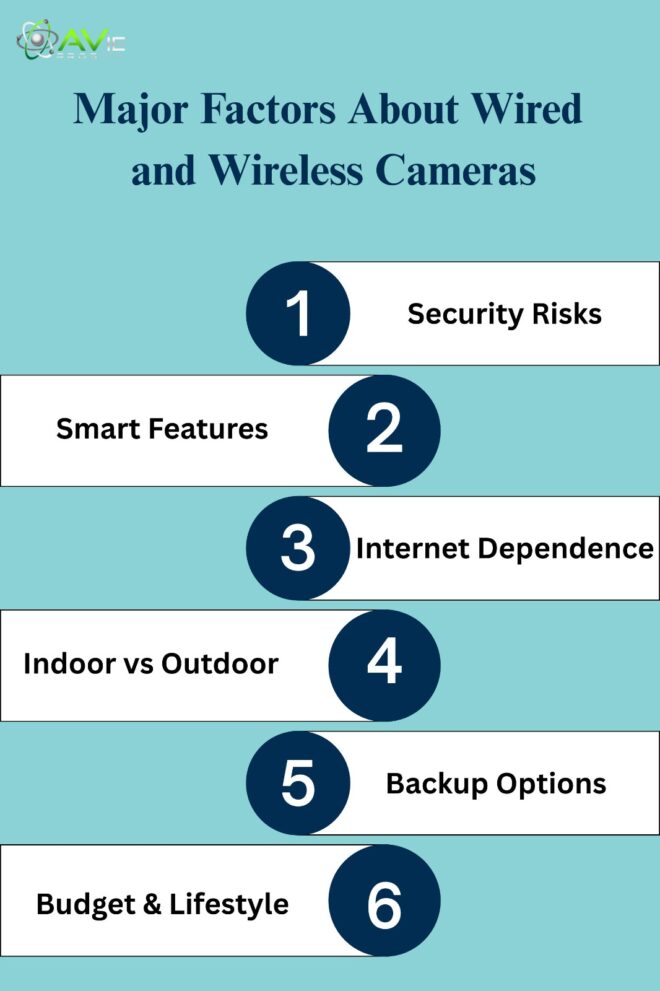
1. Security and Hacking Risks
Both wired and wireless systems offer advantages and disadvantages in terms of security. Because they are physically plugged in and cannot be compromised online, wired cameras are safer. On the other hand, if wireless cameras are not protected by encryption and secret passwords, they may be at risk from hackers.
Wireless cameras need extra security from the internet since they frequently connect to apps and cloud storage. When using wireless systems, beginners must always update their software and change their default passwords. Although it is harder to attack wired systems online, they can still be physically damaged if they are not protected.
2. Smart Features in Modern Cameras
Modern security cameras are more than just recording devices thanks to newer functionalities. These days, the majority of wireless cameras offer two-way audio, motion detection, and night vision, allowing you to connect to people on your phone. Some even use artificial intelligence to spot suspicious activity or identify faces.
Although they are typically less adaptable than wireless alternatives, wired systems are also becoming smarter with remote viewing and app compatibility. Beginners find wireless features more appealing because they can view anything from their smartphone, which makes security simpler and more interesting than it was in the past.
3. Internet Dependence in Wireless Cameras
When it comes to wireless cameras, internet dependence is a major factor. Wi-Fi is used by these cameras to store and stream video. The camera may stop recording or notifying you if your internet connection is unstable or fails. This could be an issue if you live somewhere with unreliable internet service.
Since wired cameras record to DVRs or NVRs even in the absence of the internet, they are not affected by this issue. Wireless solutions are fantastic, but they work best in places with reliable internet. If not, you can come across safety issues in your recordings.
4. Outdoor vs Indoor Use
Another important factor to think about when choosing between wired and wireless cameras is where you plan to use them. Since indoor cameras are protected from dust, wind, and rain, they often have fewer issues. Then, both wired and wireless cameras will perform effectively indoors. Outdoor cameras must be able to endure a variety of weather conditions.
Additionally, because wired cameras maintain their signal even in bad weather, they are more reliable outside. Although they depend significantly on Wi-Fi range, wireless outside cameras also perform well. Many buyers compare indoor vs outdoor wired and wireless security cameras to decide what suits their home or business best.
5. Backup and Redundancy
When it comes to security, having a backup system is important. DVRs and NVRs, which can keep weeks or months of recording, are typically used to record from wired cameras. This gives you a reliable fallback in case something goes wrong. Since wireless cameras typically rely on cloud storage, you risk losing your footage if the internet goes down.
By using local memory cards as backups, certain models solve this issue. To ensure they never lose access to their recordings, new users should look for systems that combine local and online storage. Your security system won’t ever completely fail thanks to backup options.
6. The Role of Budget and Lifestyle
When deciding between wired and wireless cameras, lifestyle and price are equally as important as technology. Due to their ease of installation and removal, wireless cameras are typically a better option if you live in a rental unit and may be traveling frequently.
Wired cameras may be worth the extra initial cost if you have a large home and want a system that requires little maintenance over the years. Think about your long-term goals, the amount of money you want to invest, and the frequency of system maintenance. What is best depends on your life. Some homeowners even explore how to connect wired camera to wireless network to get the best of both worlds.
Which is Better for Homes?
Both wired and wireless cameras may be suitable for homes, but which one you choose will depend on your needs. Wireless systems are generally best suited for small homes or apartments because of their portability and ease of installation. Without complicated wiring, you can keep an eye on the living room, backyard, or front door.
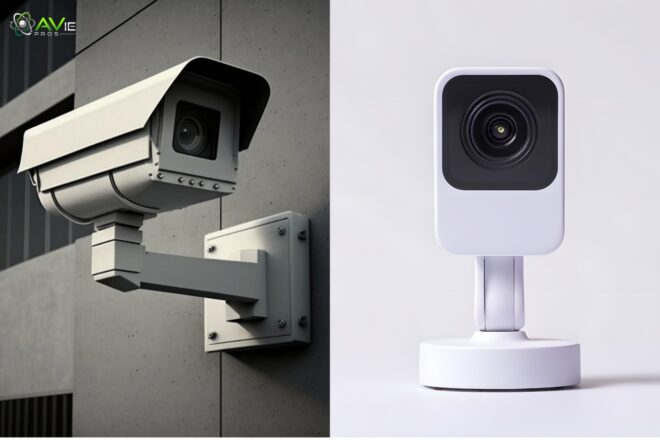
Large homes may be better suited for wired cameras, especially if you need to record in multiple rooms and outside areas throughout the day and night. Large areas need greater coverage, therefore, wired systems’ dependability is helpful. In short, choose wired for longer use and more coverage, but go wireless for flexibility.
Which is Better for Businesses?
Compared to houses, businesses frequently need higher levels of protection. Cameras that can operate continually and always produce quality video are mandatory for stores, workplaces, and warehouses. For many organizations, wired cameras are therefore the best option. They offer a large storage capacity, stability, and high-quality video.
Wireless cameras are still useful for small businesses or temporary installations, especially if you need quick installation. However, wired systems are preferred by the majority of larger businesses because they reduce the risk of hacking and disconnection. Your company’s size, security needs, and budget will all play a role in choosing the best system.
Wired Camera Working on a Wireless Network
There are others who want to know if a wired camera can be connected to a wireless network. The answer is actually kind of yes. Although wired cameras use wires for power and video, the recorder (DVR or NVR) can still connect them to a Wi-Fi network. This enables you to view the video wirelessly on a computer, tablet, or phone while leaving the cameras themselves wired. It gives you the flexibility of wireless viewing for monitoring and the reliability of a cable connection for recording.
For those who want dependable video quality but don’t want to rely entirely on wires or remotely check their cameras, this is the best configuration. At Avie Pros, we offer wired cameras that work amazingly on a wireless network connection. We provide the best quality cameras because customer satisfaction is the key to our company. Our best experts and technicians use excellent quality technical parts to sell a high-quality product at reasonable prices.
Final Thoughts
Both wired and wireless security cameras have advantages and disadvantages. For long-term security, stability, and dependability, wired cameras are better. They are suitable for larger homes, workplaces, or people who don’t mind not worrying about Wi-Fi or batteries. Wireless cameras are more portable, easier to install, and loaded with the newest capabilities, making them ideal for beginners.
They work effectively for people who require quick access from their smartphones and for smaller homes. Your room, your budget, and your needs will determine which option is best for you. Knowing the differences clearly allows you to choose the option that will keep you safe and secure. If you’re still unsure even after research more on Wired vs. Wireless Security Cameras: Which Is Best for You? to make the right choice then go with wired.
FAQs
Are wireless security cameras completely wire-free?
Not always. Some wireless cameras use batteries and are fully wire-free, while others still need a power cable. The term “wireless” mainly refers to data transfer through Wi-Fi.
Can wireless cameras work without the internet?
Some wireless cameras can still record to a memory card without internet, but most features like remote viewing require Wi-Fi.
Do wired cameras need the internet to work?
No. Wired cameras can record continuously on DVRs or NVRs without internet, but you will need internet if you want remote access.
Which system lasts longer, wired or wireless?
Wired systems generally last longer because they do not rely on batteries and have fewer software updates to worry about.
Are wireless cameras easier to hack?
Yes, wireless cameras are more at risk of hacking if not secured with strong passwords and updated software. Wired cameras are less vulnerable online.
Can I mix wired and wireless cameras?
Yes, many modern systems allow you to combine both for greater flexibility. This is often called a hybrid setup.