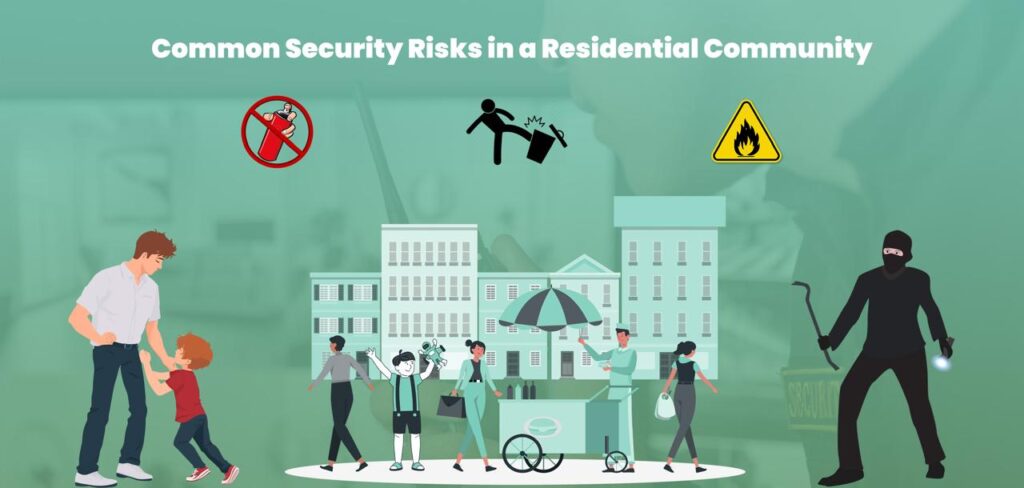

In this article, we will explore the most common security risks in a residential community. This guide is not just for beginners, even people who have much experience can protect their home and family with the security tips that we are going to discuss.
We will use simple and easy-to-read language so everyone can understand and take action. We claim that by the end of this card, you should have a clear picture of what you need to do and what steps are required to make your community safer. Let’s get into:
List of Security Risks in a Residential Community with Solutions
Let’s have a look at acknowledging what threats people face and how to overcome them. Let’s dive into details:
1. Burglary
Home burglary risks in Residential communities are the most common security risk in every residential area. When someone breaks a window or door of a house to take assets, it’s called a burglary. Most burglars target homes that are simple to enter, look empty, have weak windows or doors, or lack obvious security equipment.
They normally strike quickly and silently, usually at night or when people are at work. Believing that their neighborhood is too peaceful or pleasant for such activities is one of the biggest mistakes made by homeowners.

Unfortunately, if there is a chance, crime may occur even in places that appear to be safe. To reduce the risk of burglary, we need to plan something that can make another person feel wrong. Let me give you an example, when you are not at home, you can take some actions to play a trick on the thief. You can use timers for lights and leave your radio on to realize that someone is in the home who is doing such activities.
The best tip is always to lock your doors and windows, even if you are just stepping out for a few minutes. Take care of your basement doors and windows, as many criminals break in through basement windows to enter your home. Avoid sharing your travelling plans on social media, and don’t post anything that can alert others that your house is empty.
2. Package Theft
It is another common risk that people face nowadays. Those people who love to purchase a lot of things online have become targets for thieves. If someone leaves a delivery package at your door stuff it can be stolen in a few seconds. This type of crime is growing day by day, and even in neighborhood societies, including big cities, everyone encounters this.
The best way to prevent your packages from the theft is that you need to deliver a secure location to the delivery person as a locker or a trusted neighbor’s house. If it’s not possible, then try to reschedule your delivery and receive it only when you are available at your home. In this crime, installing a doorbell camera can assist you like a friend, so you can record anyone who comes to your door.
3. Vandalism
Vandalism is another serious issue that can affect your residential community. It includes damages or breakage of your property likewise applying spray on your walls to destroy the paint, breaking windows, and slashing car tires. Vandalism is not just stealing your stuff, it also creates fear and costs money to lose or fix something.
Most of the crimes happened at night because people get tired from their busy schedule and plan their sleep hours to rest. Poor lighting and hidden corners seem easy targets for the criminals. Neighborhoods should prioritize well outside lighting to reduce vandalism. Parking lots, building entrances, and walkways should all be lighted by lights.

Particularly useful are motion-sensitive lights, which turn on as soon as someone approaches, potentially alarming or discouraging thieves. Another benefit of trimming trees and bushes is that it removes hiding spots. Vandals are discouraged by a neighborhood that is clean and well-maintained because it gives the idea that residents treat their homes seriously.
4. Suspicious Strangers
Another overlooked risk is the presence of some strangers or suspicious people around you. In communities, we see a rush of people visiting there, like delivery workers or guests of residents. It’s a difficult task to look for every person’s details. So, it’s important to be aware of the people who seem like strangers.
Check if someone is walking behind you, has no clear purpose, and is looking hair, and they’re just avoiding you, it’s a red alarm. Keeping an eye is important, if someone is taking pictures of your home or checking the doors.
In many cases, these are warning signs that people missed just to avoid them. Neighborhood awareness becomes essential to acknowledge. People ignore alarming signs just to not look rude or judgmental. For security, you can call the local police to report the person, it’s alright. Now use neighborhood programs where they learn information about suspicious activities. By learning and watching, you can help yourself with awareness and improve your safety.
5. Poor Access Control
Another major safety issue in certain residential communities is insufficient access control. Unauthorized access in housing societies is one of the biggest threats to residents’ safety. Anyone can enter the building at this point without having to check in or show identification. Gated communities may have guards, but sometimes the gates are left open or the guards may not be on duty. In different places, there might not be a gate at all, allowing unauthorized people to enter and go without restriction.
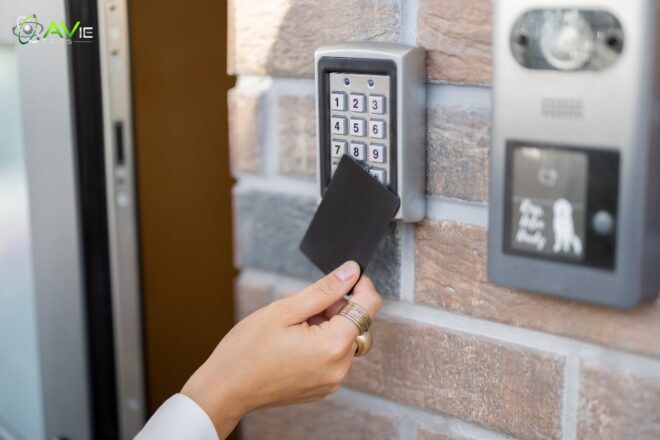
One of the best ways to improve security is to restrict access. Gates must always be kept closed and locked in neighborhoods. A resident must announce or invite guests to sign in. If they are available, guards should be alert and trained. Controlling who enters the zone can also be aided by new technology, such as phone applications, key cards, and intercoms. Residents may help even in gated communities by reporting unauthorized vehicles or people entering the location.
6. Fire Hazards
It is the most serious issue that we can’t ignore. It is really risky, even if we can lose people in fire hazards. Fire incidents can start in different ways, like poor wiring, not focused cooking, overloaded power outlets, or even careless smoking. It is one of the threats that can spread rapidly. Many people do not think about fire safety until they face a horrible incident. Reduce fire risk.
Every home should have smoke detectors in its halls and near bedrooms. Keeping replacement of their cells and batteries is also crucial at least once a year. You must have two fire extinguishers in your home. Be careful about your electric devices and never leave candles or stoves unattended. If you are building a new house, then you can work on escape routes that can save your family from unwanted situations.
7. Lack of Communication
Lack of communication is another danger that affects home safety. It is more difficult to identify problems or deal with emergencies if neighbors do not interact with one another. For example, unless there is a system in place to check in on each other, neighbors may not be aware if somebody older falls and needs help. Effective communication can save lives during emergencies, including storms, power outages, and medical crises.

There are various methods that communities might use to improve communication. To share updates and cautions, some people use messaging applications or social media groups. Others offer publications or meetings regularly. Building trust and making it easy for people to report problems or ask for help are the goals. Residents are more likely to look out for one another and act swiftly when something seems strange when they feel like they belong.
8. Pet and Vehicle Safety
This is my favorite part of this blog. It’s crucial to work on pet and vehicle safety because we all love them. If you are leaving your pets outside of your house, then it can be an easy target for thieves or harm. Especially dogs that may be taken for little fights, so always keep your pets in a secure yard and bring them inside your home at night.
You can take advantage of this progressive word because people are using a microchipping system that can be attached to the neck tags of pets. It can track where your pets are. You can also lose your luxury cars if you park where no security or cameras. Never keep your phone, shopping receipts, or GPS devices in your car. Always lock when you go to work and park in the parking area or garage for safety.
9. Technology Risks
Technology misuse is another issue to be aware of. Cybersecurity risks for smart communities are becoming increasingly common. The majority of homes in the modern world include smart gadgets like alarms, doorbells, and cameras. These gadgets improve security, but when used improperly, they can also be dangerous.
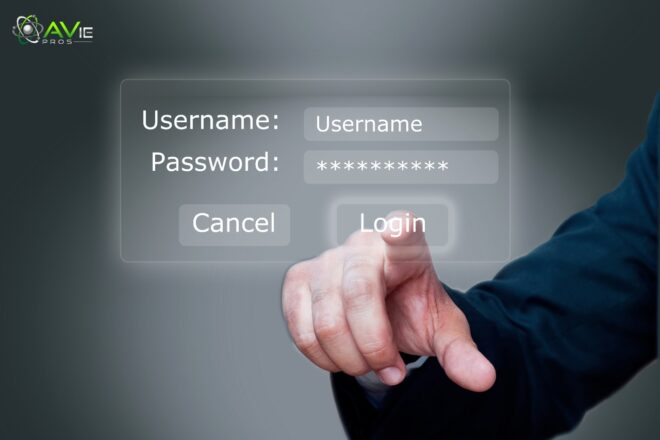
For example, weak Wi-Fi connections or passwords can allow hackers to access your cameras and control your gadgets. Always use secure passwords, and make sure your software is regularly updated. Never use the same password on more than one device. Additionally, be cautious while sharing live video feeds online, as this could reveal your routines and behaviors to others.
10. Children’s Safety
Children’s safety is another important topic. Parents should teach their kids the basic rules, like not talking to strangers or sharing their personal information online. Even today’s kids must have information on how to deal with an emergency. People should keep a check on the playgrounds or park areas where children play games. Children who walk to school should go in groups and follow the safe routes.
11. Natural Disasters and Emergencies
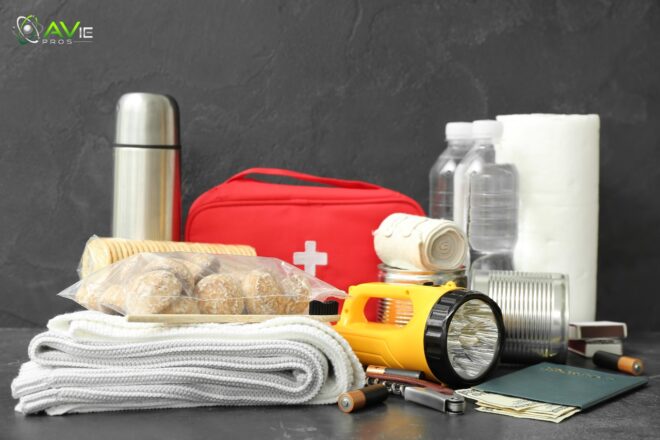
These are a part of security planning we should also cover because, depending on where you live, your community can face floods, storms, earthquakes, or power failures. It’s not a part of a crime, but it can make the situation critical. So, everyone should learn about how to handle the emergency plan. Go for the basic arrangements first, which include an emergency kit, water, food, a flashlight, and first aid supplies.
12. The Danger of Feeling Too Safe
You may help create a community that is safer, stronger, and more peaceful by being aware of the threats and taking appropriate action. Police officers and guards are not the only ones in charge of security. It starts with you. Every small action, like securing a door, reporting a stranger, or helping a neighbor, contributes to a safer neighborhood. Keep yourself informed, participate, and take caution. Security staff negligence in some communities can lead to an increase in risks, so ensuring guards are alert and well-trained is essential.
Wrapping Up
In conclusion, Common Security Risks in a Residential Community serious security dangers. Common dangers include package theft, burglary, vandalism, suspicious people, poor access control, fire hazards, and a communication breakdown.
Although anyone can be impacted by these threats, they can also be managed with cooperation and awareness. The key is being alert, using common sense, and working together. To improve safety, you don’t need expensive systems or training.
Generally speaking, awareness, common sense, and a desire to help your neighbors are the finest instruments. You may help create a community that is safer, stronger, and more peaceful by being aware of the threats and taking appropriate action.
Police officers and guards are not the only ones in charge of security. It starts with you. Every small action, like securing a door, reporting a stranger, or helping a neighbor, contributes to a safer neighborhood. Keep yourself informed, participate, and take caution.
FAQs
What is the most common security risk in residential areas?
The most common risk is burglary, especially when homes are left unlocked or appear empty. Criminals often look for easy targets, so simple steps like locking doors and using lights can make a big difference.
How can I protect my home when I go on vacation?
Use light timers, ask a neighbor to collect mail or park in your driveway, and avoid posting about your trip online. You can also ask someone to check your home daily and keep your blinds closed.
How can technology help improve home security?
Smart lights, doorbell cameras, and alarms can help you monitor your home and scare off intruders. Just remember to keep your devices secure with strong passwords and regular updates.
Should I be worried about online safety in my home network?
Yes. Hackers can sometimes access smart devices through weak Wi-Fi. Use strong passwords, update your router, and avoid using public Wi-Fi for sensitive tasks.