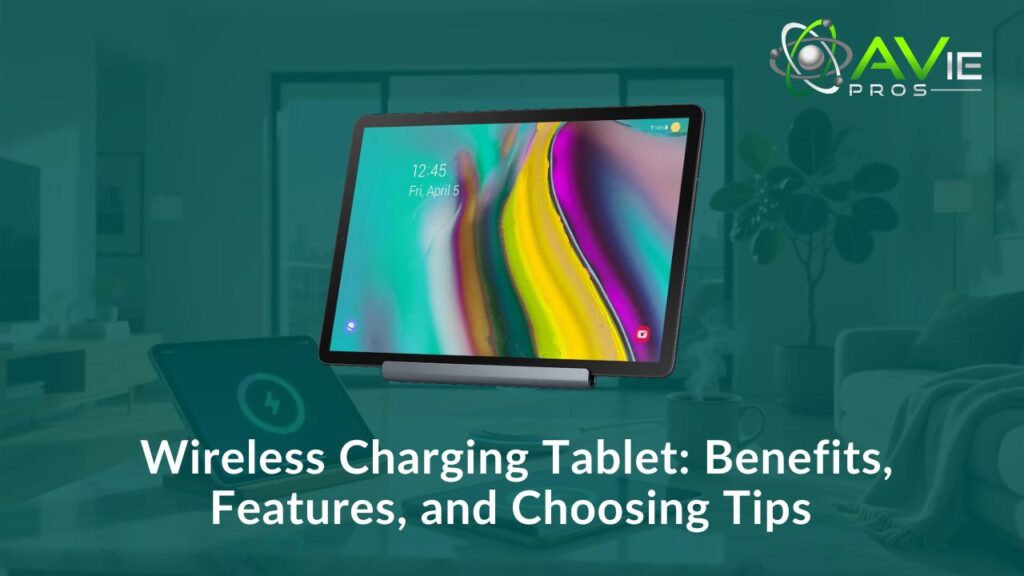
The idea of wireless charging is no longer seen in science fiction movies. Wireless charging is a reality now and is becoming more common in our daily lives. Wireless charging is increasingly being used by smartphones, earphones, smartwatches, and even tablets. This is an entirely new viewpoint on technology, accessibility, and device maintenance.
You are most likely searching for a safer, simpler, and smarter method of charging your device if you are searching for a wireless charging tablet. No more missing charging wires, dirty cables, or broken charging ports. Simply place your tablet on a charging pad and let it finish charging. Let’s explore this more closely:
Wireless Charging on Tablets
It is one of the most modern features that allows you to charge your device without plugging it into a cable. Now users can simply place it on a wireless charging pad instead of connecting it with a wire. Most of the wireless charging tablets use Qi (pronounced chee) technology that becomes global standard for all wireless charging systems.
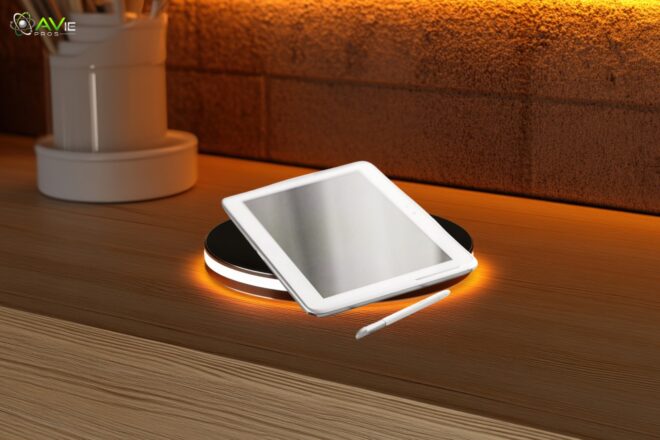
If you are looking for both a tablet and a charging pad that support Qi, this would be the better combination to work together. At this moment, wireless charging is more demanding in smartphones than tablets. Now the tablet makers are actively adding this feature at users’ demand to provide convenience and better design. These wireless charging tablets are very useful at home, in offices, and even on the table.
How Wireless Charging Works on Tablets?
Wireless charging may sound complicated, but the idea behind it is quite simple. It works using a process called electromagnetic induction. Let’s break it down step by step.
1. The Charging Pad
The main power source for the wireless charging technology is the wireless charging pad. The wireless charging pad is linked to a power adapter or wall socket in the same way as a standard charger, but it is not the same. The wireless charging pad has an original copper coil. An electromagnetic field is created around the pad’s surface as power passes through this coil.
While this electromagnetic field is not visible, its power makes it very important. The tablet is not directly charged by the wireless charging pad. It gets the power ready for safe transport via air. To protect the tablet, a good wireless charging pad also includes safety measures that control power, heat, and charging stability.
2. The Tablet’s Coil
A tablet that can be wirelessly charged includes a built-in coil. This coil usually exists near the tablet’s back cover. For the best wireless charging, it is therefore always advised to put the tablet face up on the charging pad.

The electromagnetic field generated by the wireless charging pad is detected by the tablet’s coil. This coil starts to function and react to the magnetic field as soon as the tablet is put on the charging pad. This coil is not present in every tablet. For this reason, not all tablets can be charged wirelessly.
3. Energy Transfer
Energy transfer is at the heart of wireless charging. The tablet’s built-in coil interacts with the electromagnetic field of the charging pad when it is placed on it. In this way, the coil generates an electric current without the need to plug it in.
After being transformed into usable electricity, these currents are directed toward the battery to be charged. All of this happens quickly and effortlessly. Sometimes people face damaged plugins just because of the heat. So, for this problem, new wireless charging system pads are designed specifically to minimize heat loss.
4. Alignment Matters
For the best charging, the tablet and charging base must be in perfect alignment. Aligning the two coils as nearly as possible is important. The charging process may take longer or possibly stop if the tablet is positioned improperly.
This can cause the user to believe that the charging device is defective. Modern charging devices now have multiple coils instead of just one to avoid this. This is important since it speeds up charging and reduces heat generation. In addition, power flows continuously.
In short, wireless charging transfers power through the air using magnetic energy, without any physical connection.
Benefits of Wireless Charging Tablets
There are many reasons why people are interested in wireless charging tablets. Below are the main Advantages of Wireless Charging Tablet technology explained in simple terms.
1. Easy and Convenient
The biggest benefit of wireless charging tables is their convenience. Now users don’t need to plug in or remove the cables every time, or be stuck in this hassle. Simply place the tablet on a wireless charging pad, and it will start charging automatically.
This feature makes the process easier, especially for those who charge their tablets many times a day. This saves time and reduces the effort. Wireless charging feels effortless and stress-free.
2. Less Wear and Tear
People face the issue of loose or damaged charging ports. It often happens due to repeated plugging and unplugging of the system. It’s a common problem for tablets that are used daily. Wireless charging helps to resolve this problem and to reduce the need of charging port.
This also helps to reduce the physical stress on the device. Now the technology helps the tablets to last longer and even reduces the chances of charging problems in the future. Over time, this technology would definitely provide better durability and improved long-term values for all the users.
3. Clean and Modern Look
The issue of cable clutter can be resolved with the help of wireless charging tablets. It provides a clean and modern environment for tablet users. Charging pads are highly portable and stylish, keeping a desk or table looking clean. Comfort and focus are enhanced by well-organized workspaces or bedrooms.
One benefit of wireless charging is that it can easily be used in modern home and office designs. Wireless charging is a fantastic feature for those who enjoy well-organized designs and want to use tablets in a more beautiful way.
4. Safer Charging
Wireless charging systems usually offer safety features that are helpful to both the tablet and its battery. Among these features are heat control, overcharge detection, and foreign object detection. To prevent damage, the charging device automatically lowers or stops its operation.
When the tablet gets heated up. It’s reasonable to believe that premium wireless chargers meet safety requirements before being sold. It is safe to think about wireless tablet charging when used properly.
5. Better for Shared Spaces
When multiple people need to recharge their devices in common areas like homes or businesses, wireless charging tablets work best. People no longer need to search for the appropriate charging cable for their devices thanks to wireless charging.
The user only needs to place the devices on the pad and begin charging quickly, provided that the devices are capable of wireless charging. The smartphones will be less likely to be covered by multiple charging wires thanks to the technology.
6. Future-Friendly Technology
Wireless charging will soon be widely used due to advancements in technology. Nowadays, a lot of modern tablets may be charged wirelessly. Purchasing a tablet with wireless charging shows that you are prepared for upcoming advancements in charging technology.

As technology advances, charging efficiency and time will soon improve. You are looking to the future when you choose wireless charging. By investing in modern technology, you can be sure that your tablet will be useful for many years to come.
Choosing the Right Wireless Charging Tablet
Buying a tablet with wireless charging can feel confusing because there are many things to consider. Below are the most important points to help you choose wisely.
1. Check Compatibility
First thing we need to consider is not all the tablets as possible design to support the wireless charging system. So, to check the compatibility must be the first aim. Many users assume that this picture is available by default, which means that all tablets can be used on a single charging pad. Unfortunately, it’s not always the reality always read the official specifications carefully.
Looking for clear terms, such as (Qi wireless charging or wireless charging) supported is important. If you find the information is missing, then the tablet most likely does not support wireless charging. Don’t use it and check the compatibility in advance to avoid disappointment. Always ensure that your tablet is working properly with the wireless charging pad standard.
2. Battery Size and Charging Speed
The battery size plays an important role in the wireless charging experience. A wireless charging system is slower than wired charging. A tablet with a bigger battery and good charging control can perform better.

The main factor is that charging speed also depends on how your tablet manages the power and heat. If you plan to use wireless charging, choose a strong tablet with the best battery life. It will reduce your stress and improve your overall satisfaction
3. Build Quality and Design
When selecting a tablet for wireless charging, build quality is important. Durability and charging efficiency are linked with build quality. A powerful tablet is durable and able to be used daily.
Wireless charging compatibility is also related to its build quality, especially the back cover. When it comes to the back cover, for example, glass is more compatible with wireless charging than metal, which could affect charging performance.
4. Software Optimization
Software optimization is also important to the security and reliability of wireless charging. Most tablets may have software that manages the heating problem, maximizes battery health, and speeds up charging. However, well-designed software should automatically lower the charging speed.
If the device overheats, in order to prevent overheating and extend the battery’s life. Unstable charging or overheating can be caused by poorly designed software. Pay attention to the brands that offer high-quality software when choosing the tablet to buy.
5. Price and Value
If we talk about cost and value, then wireless charging systems are more experienced than traditional tablets. It’s because of the extra technology that developers introduce. That’s why it’s important to understand the price and value carefully first. Before finding a wireless charging pad, just set a clear budget in your mind and compare the features across different models.
This technique will help you make better decisions. I will advise you not pay extra only for wireless charging. Always look for other features as well. If something is missing, don’t rely on it. Go for a balance between the performance, battery life, quality, and charging capability. Always choose wisely, a tablet that offers good value and long-term quality is only justified for the extra cost.
6. Reviews and Feedback
Reviews from customers provide useful information that is not possible to get from specifications. You can find out charging speeds, temperatures it might reach while charging or using it, and its reliability, thanks to customer comments. Provide feedback related to long-term use.
Repeated complaints or problems could be signs of problems that are not immediately clear. Positive comments regarding safety and stability are excellent signs. When looking for a wireless charging tablet that not only offers but really fulfills its capabilities, customer feedback lets you take a lower risk.
7. Long-Term Features
When choosing a tablet for wireless charging, it’s important to consider features other than wireless charging capabilities. The display, CPU, audio, and software support long-term functionality are all very important. A tablet is best if it has a suitable display, strong software support, good performance, and strong audio.
Frequent software upgrades guarantee that the item is safe to use and will continue to be useful for years to come. It is advantageous to have wireless charging features, but overall functionality is equally important.
Wireless Charging Tablet vs Traditional Wired Charging Tablet
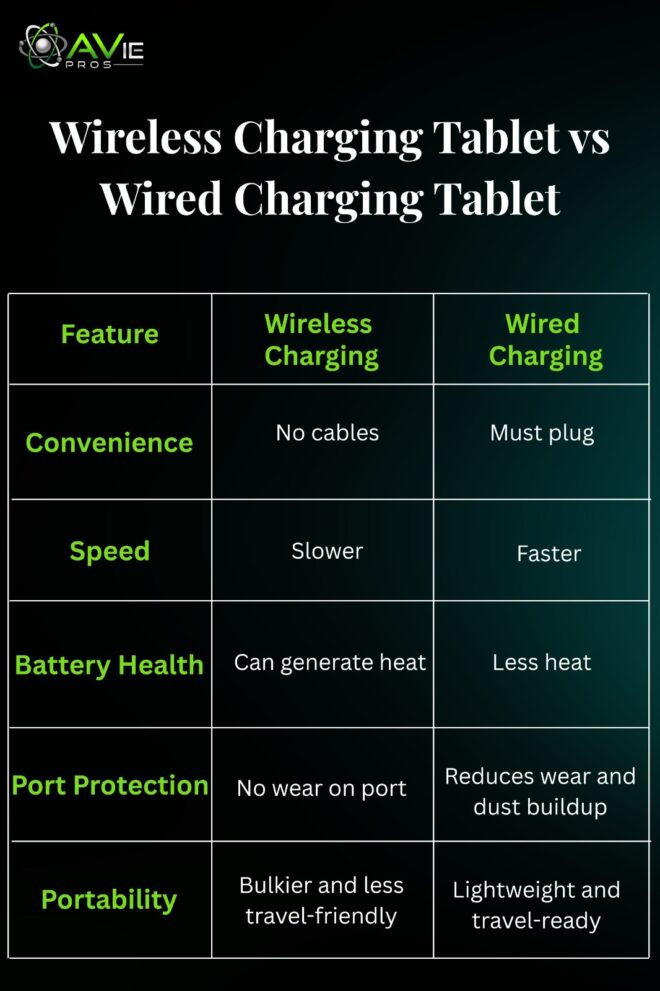
Many people ask whether wireless charging is better than wired charging. The answer depends on your needs. Let’s compare both options clearly.
1. Convenience
A wireless charging system offers a very comfortable and easy experience because you don’t need to fight with cables anymore. There is no need to plug or unplug anything before charging the tablet. We all know that wired charging requires cables that can be easily damaged over time and may damage the charging port with more use.
2. Charging Speed
Wired charging is faster than wireless, but if you are looking for quick power in a short time, then it could be a better option. It is the best option when the tablet is resting on a desk overnight, and you can patiently wait for it to complete.
3. Battery Health
Battery health matters a lot, while wireless charging creates heating issues that can affect the battery health. If you are a busy person and can’t manage properly, then wireless charging is more reliable. Both create heating problems, but using them carefully is the only way to resolve this issue.
4. Cost
For people who can’t afford expensive wireless charging tablets, they need to shift on wire charging. That’s the convenient and affordable method for charging. If you can generally afford a costly charging pad, then you can get a deal to get it for you.
5. Port Protection
Wired charging protects the charging ports because you don’t need to use them as often. This is useful because it reduces dust buildup and damage. It helps to extend over a life of the tablet and also prevents it from charging issues.
6. Portability
When it comes to portability, wired chargers win the game here because of their small and lightweight design. On the other hand, wireless charging pads are usually larger and heavier to carry. These are less convenient for travelling or outdoor use.
Summary: Wireless charging offers comfort and modern style. Wired charging offers speed and flexibility. Choose based on what matters most to you.
Can I Charge My Tablet Wirelessly?
Is it possible to charge tablets without the need for charging cables? This is a question that many people have. It all depends on the kind of tablet they are using. Users of tablets that support Qi charging technology are fortunate to be able to charge them wirelessly. If they don’t have proper equipment, they won’t be able to charge wirelessly.
Which Wireless Charging Pad Is Best?
Use a high-quality charging pad with your tablet that supports wireless charging for the best possible experience. Finding a pad that supports the Qi standard, provides sufficient power (at least 15W), and has a non-slip base.
It is capable of supporting high temperatures, and making use of multiple coils for easier alignment is important. Make sure the pad you choose can support a larger device, like your tablet, and stay aware of low-quality charging pads, which can lead to slow charging or heating up problems.
Do Wireless Charging Tablets Work with Cases?
Many wireless charging tablets will charge inside their cases, but the type of case you use is important. While heavier cases could make the charging process more difficult, thin cases will enable wireless charging to work smoothly.
In addition, the wireless charging process will be completely stopped by metal casings. It is recommended to use a thin non-metal tablet case for an easier wireless charging experience.
Wireless Charging Tablet Buying Tips
Make sure the tablet has wireless charging capabilities and choose a reliable brand while you’re buying a wireless-charging tablet to avoid future problems. When purchasing a tablet, take into account the battery’s power and heat management capabilities.
Stay away from metal-plated tablets, connect the device to a high-quality charger, read reviews in the future, and look into any software upgrades that may be available. By carefully planning and choosing your options, you can avoid future expenses.
Future of Wireless Charging Tablets
Every year, tablet wireless charging technology improves. Faster charging speeds, reduced charging temperatures, and improved charging efficiency are all expected in the near future.
Wireless charging will become a standard feature of many tablets as demand for this technology rises. Wireless charging technology will cease to be an advanced technology in the next few years and instead become a standard feature.
Conclusion
Wireless charging tablets are a step toward a simpler, more convenient, and better future. They provide an updated method of charging while reducing cable clutter and protecting ports. But wireless charging isn’t 100 percent reliable. In comparison to cable charging, it is typically slower and may be more costly. Knowing your priorities is therefore beneficial before making a purchase.
Choose a wireless-charging tablet if you want long-term durability, efficiency, and style. Otherwise, wired charging can still be the preferred option in terms of speed and cost. You can choose what suits you the most by carefully considering the benefits, features, and purchasing advice in this article.
FAQs
1. Can tablets be charged wirelessly?
Yes, some tablets support wireless charging using Qi technology. Always check the tablet’s specifications to confirm.
2. Can I use my existing wireless charging pad for a tablet?
Yes, if the pad supports Qi and provides enough power. Make sure it is designed for larger devices.
3. Is wireless charging safe for tablets?
Yes, wireless charging is safe when using certified chargers and pads with built-in safety features.
4. Does wireless charging damage the battery?
If well-managed, it does not. Poor-quality chargers and excessive heat can affect battery health.
5. Are wireless charging tablets worth it?
They are worth it if you value convenience, modern design, and reduced wear on charging ports.