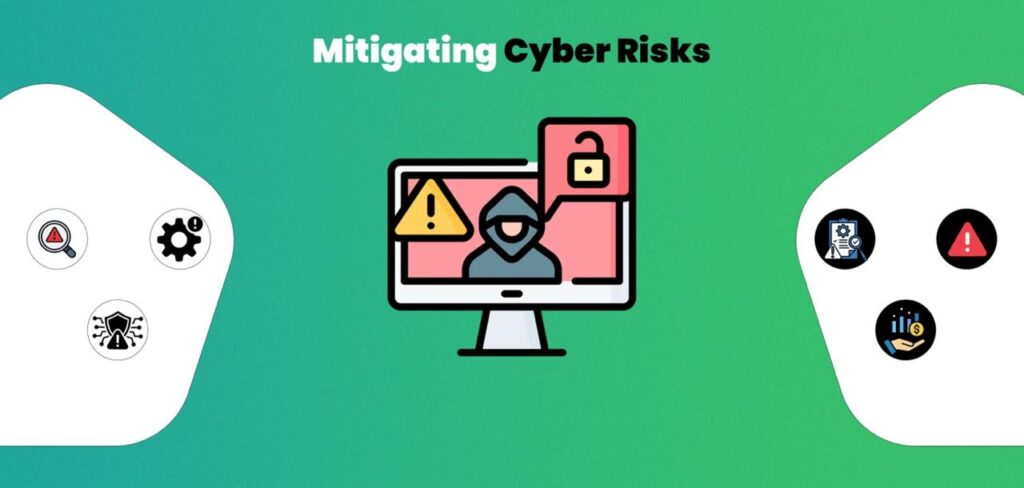

Since customer satisfaction and trust are important to a business’s long-term survival, organizations should concentrate on threat prevention with private security. Integrating cybersecurity at every level of the company protects its resources. Enhances its standing in the marketplace as a competitive advantage founded on a proven dedication to security with cyber risk mitigation strategies and management.
This article focuses mainly on risk management strategies to lower cybersecurity risks while providing a comprehensive overview of risk management. The goal of every idea, tool, and strategy it presents is to guarantee that businesses successfully control their risks. Based on this explanation, the majority of firms may learn how security is mitigating risks in today’s world to address specific issues. Let’s explore it:
Understanding Cybersecurity Risks
Knowing the cybersecurity risk represents the foundation of every organization’s security plan. Understanding certain risks and weaknesses enables companies to develop suitable defenses according to their capacity for risk to deal with such unwanted challenges.
Types of Risk Management
Risk management can be divided into a number of different categories, each of which focuses on another side of organizational risk. These include:
1. Operational Risk Management
Operational risk management covers the risk arising from routine activities, including human error and process failures. Therefore, the goal of this important risk management is to ensure that daily operations run smoothly and without interruption. Additionally, a company should be able to create effective risk management plans that boost output and efficiency.
2. Financial Risk Management
Risks that may harm an organization’s financial stability are addressed by financial risk management. This covers the evaluation and management of possible financial risks, such as credit risks or fluctuations in markets. Protecting against market risk, controlling liquidity risks, and conducting financial audits to identify weak points in current financial operations are all examples of effective strategies.
3. Compliance Risk Management
Compliance risk management focuses on the regulatory and legally required standards that businesses must follow. This part of risk management is important since regulations are becoming deeper. It involves assessing the risks associated with breaking laws and regulations, as well as taking steps to follow them, including GDPR and other data protection standards.
4. Strategic Risk Management
Risks that have the potential to affect an organization’s long-term goals are known as strategic risks. This means keeping an eye on the outside factors that could have the same effect on strategic choices, such as market dynamics and competition pressures. Organizations connect their business strategies with risk management practices by doing appropriate risk assessments to check the potential of their strategy.
5. Cyber Risk Management
Cyber risk management specifically focuses on identifying and decreasing the risks associated with cybercrime. Cyber risk management includes a variety of steps, from detection of attacks and firewalls to regular staff training, due to the possible weaknesses that affect the digital world. This advanced plan becomes important in maintaining business continuity and protecting private data from malicious misuse or illegal access.

Key Cyber Risk Mitigation Strategies
Some of the most important steps that companies may take to improve their safety measures and enhance their risk management procedures are as follows:
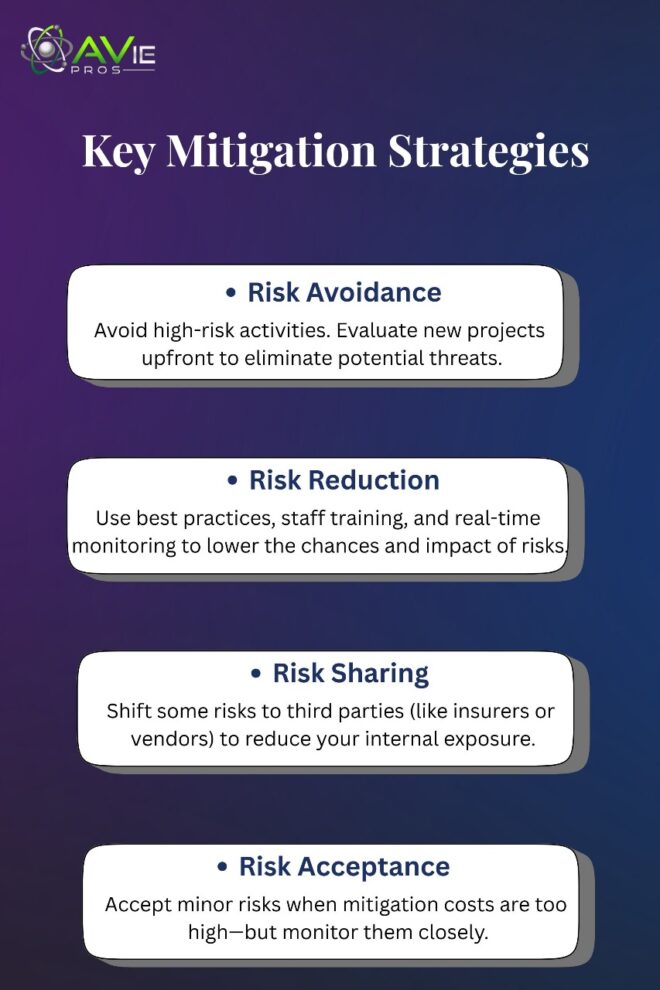
1. Risk Avoidance
Avoiding activities or procedures that carry an important level of risk is known as risk avoidance. Organizations can greatly reduce their level of for being exposed to various risks by avoiding high-risk situations. It is the process by which every operational component is properly represented. It included in providing a suitable analysis for the assessment of any new project or effort.
2. Risk Reduction
Businesses can use a variety of controls and procedures to reduce the chance that a risk happens or to limit its effects. The application of best practices, regular training, and the purchase of advanced real-time threat monitoring solutions can help to achieve this. Threat mitigation can be greatly enhanced by a company’s level of security awareness.
3. Risk Sharing
Sharing risk involves assigning some of the risk to third parties, like outsourcing partners or insurance providers. By mitigating risks, businesses can protect themselves from possible losses while keeping internal teams focused on their main operating objectives. This might be a helpful strategy for handling serious dangers that could bankrupt a company.
4. Risk Acceptance
Businesses can take on risk when the costs of mitigation exceed the possible consequences. The accepted risk must be carefully evaluated and closely watched. For example, a business may consider a little risk of data leakage to be acceptable, making mitigation expenses unnecessary. On the other hand, a major danger would require a thorough mitigation strategy.
Steps in the Risk Management Process
An organized strategy can help companies of all sizes reduce risks and make better decisions. A few important steps for logical risk management are as follows:
Risk Identification
The very first step in the risk management process is to identify dangers that could negatively affect an organization. This involves many approaches, including a complete risk assessment, previous data analysis, and stakeholder engagements about current threats and weaknesses of similar businesses. An excellent active risk management strategy depends on the foundation of a detailed risk identification procedure.
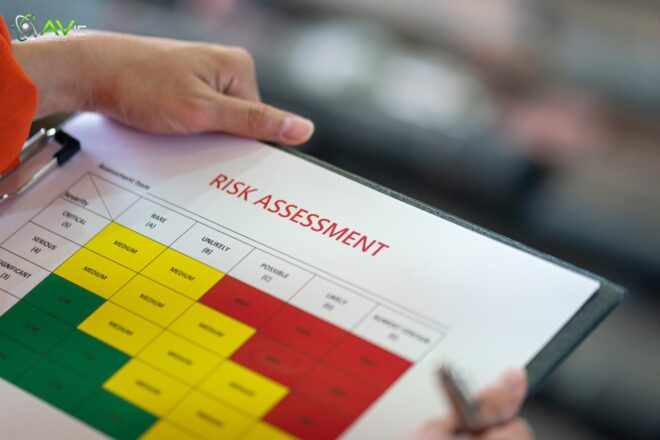
Risk Assessment
Organizations must do a suitable analysis of the chances and possible effects of risks that have been identified. Organizations can prioritize risks according to their significance through qualitative and quantitative analysis, which helps them plan different actions. As a result, this stage is important because of the level at which the organizations must protect themselves from every danger that has been discovered.
Risk Mitigation
Following the assessment, organizations have to develop and execute plans to lower the risks that have been identified. This covers the use of the new procedures or technology, policy updates, and specialized training for staff members. Potential risks to the company are minimized by smart threat mitigation.
Risk Monitoring
To make sure the risk management plan is successful over time, regular assessment is important. An organization should periodically review its risk profile and update its plans to deal with new threats. This promotes a culture of awareness and response among all stakeholders by aiding in ongoing assessment.
Risk Communication
Successful risk management depends on effective communication. Stakeholders must be informed of the possible dangers and any actions taken by the organization. Open communication promotes a culture of taking responsibility among staff members by empowering them to take ownership of security procedures.
Basic 5 Principles of Risk Management
An organization needs to understand the basic ideas of risk management before trying to change its procedures. Some basic concepts are as follows:
1. Integration
From strategic planning at the highest levels of the business to finishing a particular task, effective risk management should be made simple and seamless. This guarantees that every department has a role and duty in efficient risk management.
2. Structured and Comprehensive Approach
An organized strategy to risk management frequently includes a tried-and-true organization and process to guarantee that risks are consistently identified, analyzed, and mitigated. As a result, the processes involved will be exhaustive, clear, and responsible.
3. Inclusive and Participative
Workers at all organizational levels may help with creating a risk-aware culture. Involving users in risk management increases awareness and, generally speaking, effectiveness in any company.
4. Dynamic and Iterative
Since risks and conditions are constantly changing, risk management is an evolutionary process that requires constant adjustment. In order to prevent unexpected risks, flexible firms must change their plans more frequently.
5. Informed decisions
In order to make major choices that need alignment of the firm’s goals with its capacity for risk, an organization should use analytics as a foundation to analyze potential risks.
What are the Key Benefits of Mitigating Risks?
An organization may observe the following advantages from effective risk management practices:
1. Improvement of Security Posture
By identifying threats, companies can reduce those risks and strengthen their safety measures as a whole. Building trust in an organization’s ability to protect sensitive data is achieved by improving the security posture, which reduces the chance of data theft and other security events.
2. Operational Efficiency Enhanced
Good risk management can help an organization run more smoothly and with less disruption, which will enable companies to function more efficiently. Organizations can concentrate on their main goals and successful long-term continuity when they have effectively protected important assets in place.
3. Improved Decision Making
Risk management helps businesses make better decisions by warning them of possible risks and weaknesses. Businesses can use resources wisely by making well-informed strategic decisions that complement their total capacity for risk.
4. Compliance with Regulations
A strong framework for risk management also helps companies deal with regulatory standards. In addition, to not spending on legal costs, this kind of behavior enhances its reputation and credibility to all of its operations. Hiring or consulting with legal experts and compliance officers can help you stay ahead of regulatory changes.
5. Cost Savings
Effective risk management decreases or removes damage, which saves a significant amount of money. As a result, fixing faults early on can help avoid the financial stress caused by data breaches and other security events.
Key Challenges in Implementing Risk Mitigation Management
While putting risk management into practice is important, there are a few “problems” that a business may run into:
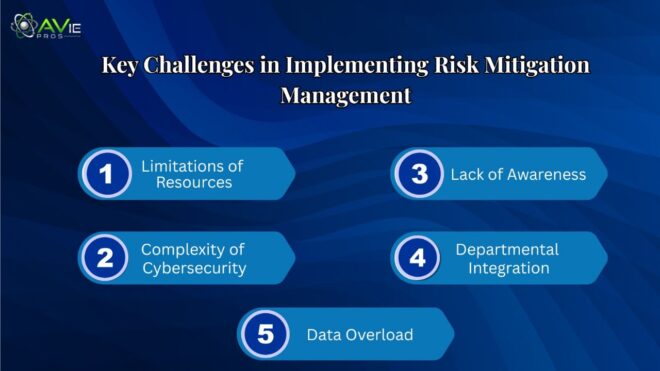
1. Limitations of Resources
Every business operates on a budget, and the majority have the resources necessary to put in place an entire risk management plan. As a result, companies have to arrange projects and make efficient use of the resources under their control in priority areas.
2. Complexity of Cybersecurity
Mitigating cyber threats is a difficult task for a corporation since they are ever-changing and dynamic. Effective risk mitigation requires regular review, adjustment, investment in knowledge, and skills to remain ahead of possible threats.
3. Lack of Awareness
Organizations may create a set of procedures that are not only insufficient but also expose them to risk because they grow careless or fail to recognize the importance of security in today’s world. To deal with this issue, a culture of awareness and a focus on risk management training are quite effective.
4. Departmental Integration
Effective risk management requires departmental cooperation. Integrating risk management procedures into current workflows is a challenge for every company, as it requires clear communication and a shared goal.
5. Data Overload
Threat identification and response are made more difficult for organizations by the huge amount of security data they are exposed to. Organizations can provide useful insights by filtering out data using analytics and machine learning technologies.
The Final Verdict
In conclusion, one of the most crucial investments a company can make in protecting itself against various cyber threats is effective risk management. The definition of risk management, risk kinds, important strategies to use, and efficient tools making use of that could strengthen a company’s level of cybersecurity were all covered in this article.
To preserve operational integrity and protect the organization’s reputation, risk management develops a flexible and realistic culture. Businesses have to work on how security is mitigating risks in today’s world in their strategy plan, even as they face the different complexities of this digital environment. Risk management not only reduces the impact of the majority of expected risks, but it also creates the perfect conditions for creating future success in improving community protection through security.
FAQs
What is Operational Risk Management?
The identification and reduction of risks related to routine operations, such as process failures, human error, and other operational disturbances, are the main goals of operational risk management. It guarantees that a business continues to operate effectively and efficiently, which is essential for maintaining the overall sustainability of the firm.
How effective are phishing defenses?
99% of phishing efforts are stopped by multi-factor authentication (MFA) and advanced email filters, according to Google’s 2025 study. Human error risks are further decreased by providing social engineering training to employees.
What protections are in place for global supply chains?
Blockchain technology reduces fraud by tracking items transparently. Walmart’s blockchain experiment improved supply chain recovery by cutting tracking times from days to seconds.
How can security and privacy be balanced?
Regulations such as GDPR facilitate security while guaranteeing data protection. Without compromising functionality, technologies such as Apple’s on-device processing for Siri reduce data exposure.