Wired vs Wireless Security Cameras – A Comprehensive Guide
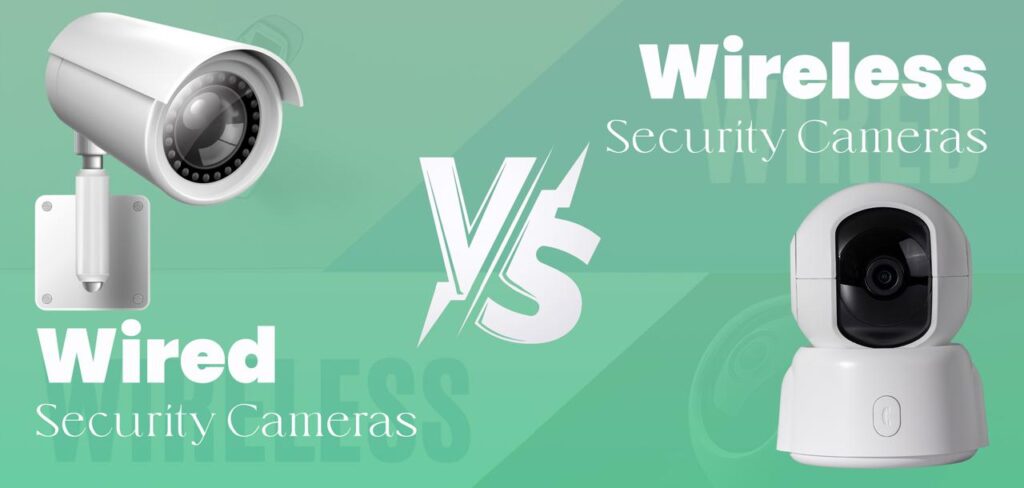
In today’s world, security cameras are common. People rely on them to protect their belongings and give them peace of mind, and they are used in both homes and offices. However, choosing between wired and wireless cameras is a common problem that most beginners experience. Since they both have the same function of recording video, they may initially seem to be similar. However, there are significant differences in how they are used, installed, and function. Understanding the advantages and disadvantages of both wired and wireless security cameras can help you choose the one that works best for you. Let’s explore it: Why Security Cameras Matter It’s important to understand the value of security cameras when comparing wired and wireless. An effective camera system is like having extra eyes that never stop watching. Cameras prevent thieves from entering your home or building. If something occurs, they also give you proof. Many people use them to keep an eye on kids, pets, or packages in addition to for safety. Cameras provide you with peace of mind because crime and burglary are still problems everywhere. By purchasing the right system, you may feel safer day and night and monitor your property at all times. Let’s understand two types of cameras: 1. What Are Wired Security Cameras? The standard type that has been in use for many years is the wired camera. Cables are used to connect a recording device to wired cameras. Usually, they are connected to a network video recorder (NVR) or digital video recorder (DVR) and a power outlet. Wired cameras require professional installation or, at the very least, some technical know-how because of the wiring. Wired cameras provide a strong and consistent signal after installation. They are a dependable choice for larger organizations and businesses because they rarely encounter disruptions. The majority of people choose them due to their long-term performance, even though installation takes more work. 2. What Are Wireless Security Cameras? More recently, wireless security cameras have become incredibly popular because of how simple they are to operate. Instead of running cables through walls, they make use of your Wi-Fi network. Typically, wireless cameras are powered by a power cable or batteries. The biggest advantage is that they are simple to install, sometimes even without expert help. Installing them is simple, and you may watch them remotely by connecting them to your phone. They are perfect for people who don’t want to bother with difficult installations or for small homes. However, they depend on the speed of the internet connection, thus, if the Wi-Fi connection is bad, sometimes they perform differently. Battle of Comparison Between Wired vs Wireless Cameras The difference matters a great deal; it makes the products unique from one another. After taking notice of the features, you’ll come to know which camera is best for you. Let’s get into: 1. Installation Differences Installation is probably the biggest difference between wired and wireless cameras. Drilling holes, installing lengthy wires, and perhaps even hiring professionals are all part of wired systems. Installing these takes additional time and money. However, once installed, they are quite reliable. It is much simpler to use wireless cameras. By just connecting to Wi-Fi and mounting them to the wall, many of them may be put in place in a matter of minutes. This makes them simple for beginners to use. The disadvantage is that you may experience connectivity problems if your Wi-Fi is weak. It is up to you to decide between long-term dependability and efficiency. Many people also compare wired vs wireless security cameras performance before deciding which option to choose. 2. Power Supply Needs When choosing security cameras, power is an important factor. Wired cameras don’t require batteries because they are usually powered by the same cable that moves footage. Once installed, they never need to be turned off and run continuously. While some wireless cameras include an electric plug option, most of them use batteries. More positioning flexibility is possible with battery cameras, but you’ll need to remember to recharge or replace the batteries. If you forget, it’s inconvenient. Wired models are better if you want a camera that always functions without extra effort. Wireless options work well if you want easy positioning. 3. Video Quality and Reliability In terms of video quality, high-definition recordings can be made by both wired and wireless cameras. However, because the data passes through a strong cable connection, connected cameras typically work more dependably. Since wireless cameras rely on Wi-Fi, poor internet speed or a large number of devices connected at once may sometimes reduce video quality. Another consideration is distance. The wireless camera will freeze or not record correctly if it is too far from the router. People who require constant, crystal-clear recording are more likely to choose wired cameras. Some users also wonder, Does wired or wireless have better security? and this often depends on your internet speed, setup, and the environment. 4. Storage Options Another major factor to consider when choosing between wired and wireless cameras is storage. DVRs and NVRs, which continually record video and store it on hard drives, are frequently used in wired systems. This gives you easy access to previous content and a large amount of storage. On the other hand, wireless cameras usually store on a small memory card inside the camera or in the cloud. Although cloud storage is widely available, it usually requires a monthly subscription. Memory cards fill up fast. Wireless storage offers greater flexibility than wired storage, which is more conventional. 5. Flexibility and Portability One important advantage of wireless cameras is their flexibility. They are easy to move to any location because they don’t require lengthy wires. It only takes a few minutes if you need to move a camera from one room to another or relocate it. However, once placed, hardwired cameras cannot be removed. Reinstalling cables would be necessary to shift them, which would be costly and time-consuming. Wireless