What is an ERP System? – Everything You Need to Know
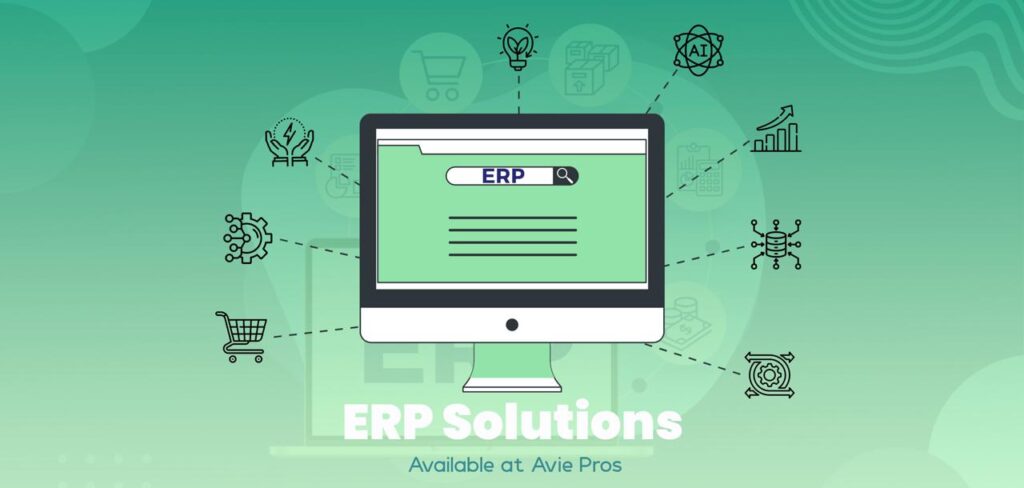
Software known as what is ERP system, or enterprise resource planning. It helps companies in controlling all of their everyday operations. Accounting, sales, purchasing, inventory, human resources, supply chain, customer relations, and more tasks. An ERP system connects all departments into a single platform that reduces the need for multiple programs to run. Information moves seamlessly across departments in this way. For example, if a new order entered by the sales team can be immediately viewed by the inventory team, recorded by the finance team, and prepared by the shipping team. To put it simply, what is Enterprise Resource Planning? ERP acts as a company’s brain, tying together all the many components so they function as a whole. Because everyone gets access to real-time information, it enhances decision-making, reduces mistakes, and makes organizations work more smoothly. Let’s explore it: The History and Evolution of ERP The concept of ERP wasn’t introduced quickly. As businesses searched for better ways to operate, they changed over many years. Businesses mostly used computers in the 1960s for simple tasks like processing payroll or keeping track of inventory. These were very simple programs that ran separately and could not talk to each other. A system called Material Requirements Planning (MRP) was in place by the 1970s. MRP helped manufacturers plan how much raw material they would need to produce items. Because it reduced waste and saved money, this was an improvement. MRP developed into Manufacturing Resource Planning, or MRP II, in the 1980s. In addition to materials, this also includes scheduled staff, machinery, and production schedules. Businesses started to see how powerful computer-based planning could be. ERP systems later appeared in the 1990s. These were more complex than MRP and could manage human resources, sales, finances, and production, among other things. ERP evolved into a comprehensive solution through combining all corporate operations. The use of ERP systems has grown over time. These days, they may be customized, are cloud-based, and can use artificial intelligence to provide insights and recommendations. What started as simple planning tools has grown into complex software that may be used in any area. Why is Enterprise Resource Planning Important? Enterprise Resource Planning is important because it helps businesses operate more efficiently and intelligently. What is ERP system in business? It’s a tool that integrates all core operations, enabling seamless communication across departments. Businesses must control expenses, supply products on schedule, and please customers in the modern economic climate. These tasks are difficult without ERP since information is not efficiently shared, and each department functions independently. The entire company is connected via an ERP system. It gives managers a clear image of what is truly occurring in real time, reduces errors, and gets rid of redundancy. A company may, for example, determine exactly how much inventory it has, how much money it has made, and which orders are still outstanding. ERP helps businesses grow as well. ERP makes it easier to handle everything in a single system as a business grows into new regions or hires more employees. Additionally, it is required for compliance because most sectors have strict rules that must be followed. ERP makes sure that procedures adhere to the law and keeps accurate records. How Do ERP Systems Work (All Factors) What is ERP, and how does it work? A single central database connects a number of modules or applications that make up an ERP system. All of the modules can communicate with each other because they all connect to this database. Usually, each module focuses on a different aspect of the company, such as finance, procurement, logistics, or human resources. The entire business can stay updated and integrated as they all work with the same data. The flexibility of ERP is one of its advantages. Companies can choose which modules they need at first. As they grow, they can add more. A small business might begin with finance and inventory before adding supply chain management or human resources. Some ERP systems allow organizations to install extensions that provide a basic package, while others provide industry-specific features. Many business needs are met by the ERP systems in use today. ERP system examples include SAP S/4HANA Cloud, which includes modules for supply chain, manufacturing, finance, sales, and procurement, is one example. ERP is not a stand-alone system. It must interface with other important systems, including ERP systems, e-commerce websites, human capital management systems, and customer relationship management software. It maintains the order to be completely beneficial. This type of integration gives businesses an overall and complete view of their operations. It enables smooth collaboration between teams and partners, improves client experiences, and streamlines procedures. At Avie Pros, we deal with ERP systems to facilitate and help businesses grow. The adaptability of the ERP is also visible in how well it connects with other programs. Application programming interfaces that act as virtual bridges for various programs are used by some ERP systems to connect. Others use new cloud-based integration platforms or enterprise service bus technology to interface. The goal is the same regardless of the method to enable real-time data interchange amongst all systems so that the company can make better decisions more quickly. ERP Examples by Industry Businesses’ use of ERP systems varies widely based on the industry they operate in. But to compete, any firm, regardless of its type, needs accurate data and smooth operations. ERP gives them the ability to achieve that. Let’s look at how ERP is used in different sectors: 1. Manufacturers An ERP system in manufacturing is essential for companies. Whether they produce individual goods, batches, or continuous processes. Because the system keeps an eye on every stage of production. It helps them guarantee the quality of the final product. Additionally, it helps control the use of machinery and equipment to prevent overuse, which reduces maintenance costs and downtime. By controlling overtime, ERP also makes personnel management easier. Manufacturers can have full visibility of inventory. They can track the flow